Fellows Spotlight: A Career Journey in Diabetes Care and Education
Apr 20, 2026, 16:04 PM
The ADCES Fellows Program recognizes diabetes care and education specialists who have demonstrated exceptional diabetes care and education. ADCES Fellows play an important role in shaping the future of diabetes care, serving as mentors, advocates, and guides for those entering or growing within the field.
For many diabetes care and education specialists, the journey into the profession is not always straightforward, but it is often deeply meaningful. ADCES Fellows stories highlight not only the evolution of the specialty, but also the opportunities available to those willing to step into it.
In this Fellows Spotlight, we hear from Nathan A. Painter. From early clinical experiences to national leadership, his journey offers practical advice and perspective for novice diabetes care and education specialists and for those considering entering the specialty.
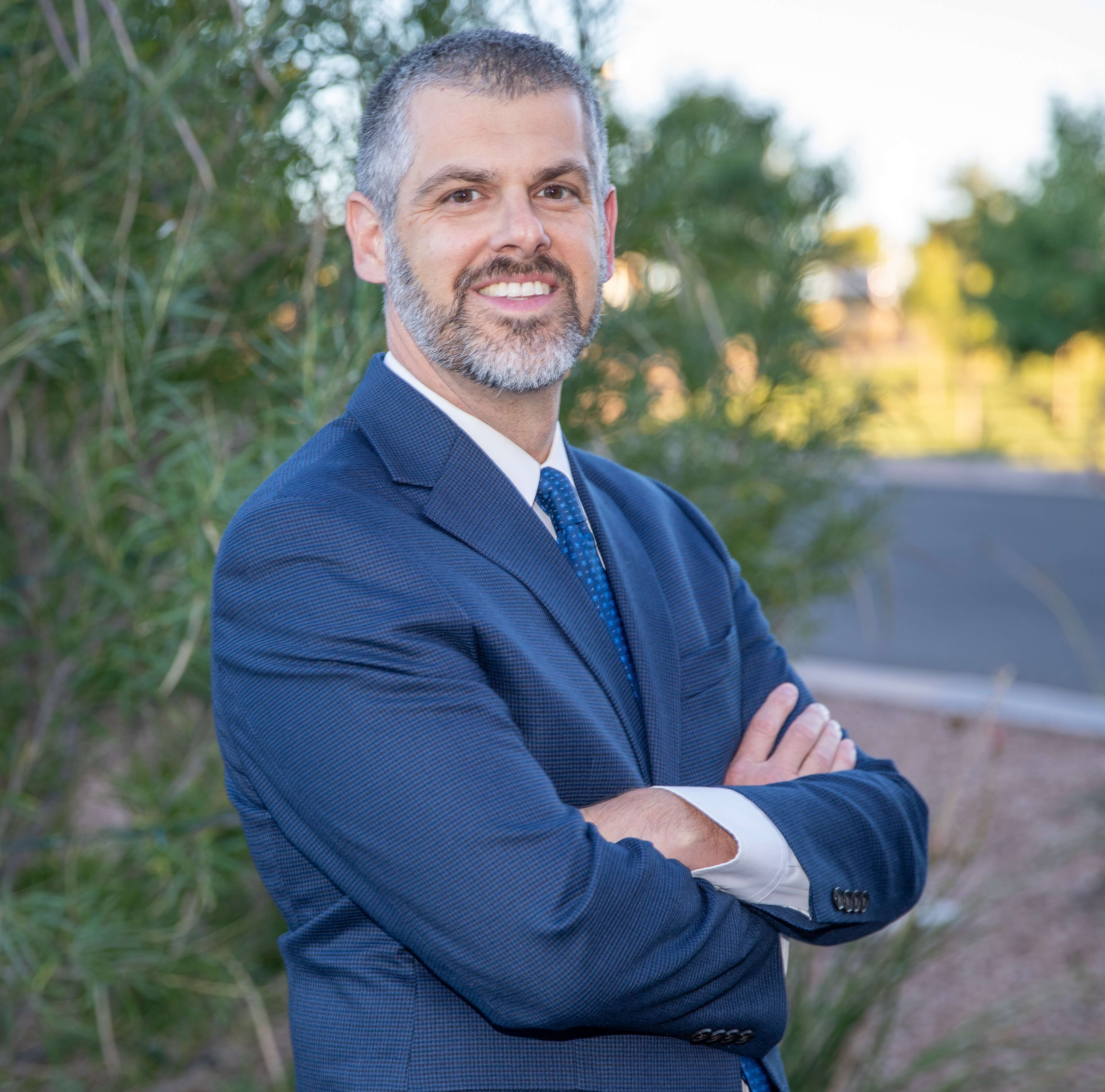
Nathan A. Painter, PharmD, CDCES, FADCES, FCPhA, FCCP
Can you share your career trajectory? How did you get into diabetes care and what did growth look like?
My path into diabetes care began during my residency at a Veterans Affairs Medical Center, where I saw firsthand how complex and life-altering diabetes management could be. What struck me wasn’t just the pharmacotherapy—it was the behavior change, education, and trust required to improve outcomes.
Early in my career at Loma Linda University School of Pharmacy, I built and expanded diabetes-focused clinics serving high-risk and underserved populations. I became a certified diabetes care and education specialist (CDCES) because I wanted to move beyond medication management and truly partner with patients in self-management.
When I transitioned to UC San Diego Skaggs School of Pharmacy and Pharmaceutical Sciences, growth meant expanding diabetes services at the systems level:
- Establishing pharmacist-led diabetes self-management education programs
- Integrating group medical visits
- Advancing collaborative practice agreements
- Incorporating pharmacogenomics into primary care
- Teaching diabetes management and education across the curriculum
Over time, growth evolved from managing individual patients to shaping diabetes education nationally—serving on ADCES committees and on the Board of Directors, contributing to competency documents and being named an ADCES Fellow. Today, growth looks like mentoring the next generation of diabetes specialists to see themselves as providers, educators, advocates, and behavior-change partners.
What were some of the biggest challenges you faced?
Establishing Pharmacists as Diabetes Care Leaders
When I began, pharmacist-led DSMES (Diabetes Self-Management Education and Support) was not universally embedded in primary care. We had to demonstrate value—clinical outcomes, A1c reduction, improving medication use patterns, cost savings. I learned to speak the language of administrators and physicians while staying grounded in patient-centered care.
Addressing Therapeutic Complexity
The explosion of GLP-1 receptor agonists, SGLT-2 inhibitors, and cardiometabolic outcome data required constant evolution. Staying current meant deep engagement in professional development and national organizations. Diabetes care is dynamic; expertise requires lifelong learning.
Behavior Change Is Hard
Diabetes care is longitudinal. You may not see immediate results. I learned that success is not just lowering A1c, it’s helping a patient feel empowered, understood, and supported. That mindset shift was critical.
Burnout Risk in Chronic Disease Management
Managing high-risk patients continuously can be emotionally taxing. I leaned into team-based care, shared visits, and mentoring learners not just to extend services, but to create sustainable models.
Did you have a mentor?
Evan Sisson was my professor and residency director. He became an important mentor in my first few years in academia and professional association engagement. His mentorship was pivotal, particularly within the ADCES community and through colleagues in ambulatory care practice.
He and other mentors taught me:
- Diabetes education is both science and art
- Cultural humility matters as much as clinical knowledge
- Outcomes data strengthens advocacy
- Leadership in diabetes care requires stepping into policy and reimbursement conversations
- Excellence is consistency, not intensity
- Protect your integrity—your reputation compounds over time
- Say yes strategically, not automatically
- Invest in people; they are your legacy
One of the most important lessons was this: You don’t need to feel ready to step into leadership. You need to be willing to grow into it.
How did you define success when you first started compared to now?
Early in my career, success meant:
- Mastering insulin titration and medication management
- Being the diabetes medication expert
- Speaking nationally on new therapies
- Publishing on diabetes topics
Now, success means:
- Having a sustainable impact
- Training student pharmacists to confidently counsel on insulin and CGMs
- Integrating cardiometabolic outcomes into primary care workflows
- Influencing policy and payment discussions
- Seeing former students become CDCESs themselves
Success has shifted from individual expertise to multiplying expertise in others.
Advice for those considering becoming a CDCES:
- Spend time in longitudinal care settings.
- Understand that diabetes management is behavioral medicine as much as pharmacotherapy.
- Seek interdisciplinary experiences—dietitians, nurses, physicians.
- Join professional communities early (e.g., ADCES).
If you enjoy relationship-based care and lifelong learning, this is deeply rewarding work.
Advice for those new to the field:
- Master insulin—confidence with insulin builds everything else.
- Stay current on cardiometabolic outcomes data.
- Learn documentation and reimbursement structures for DSMES.
- Track your patient outcomes; data tells your story.
- Early competence builds long-term credibility.
Advice for those who feel stuck:
Consider expanding your role:
- Lead group visits
- Develop a new diabetes service line
- Add CGM interpretation workflows
- Get involved in state or national committees
- Mentor students or residents
Questions to ask yourself: Do you need a new skill? A new mentor? A new environment? Or a renewed sense of purpose within your current role?
Diabetes care offers endless opportunities for innovation. If you feel stagnant, it may be time to move from participant to builder.