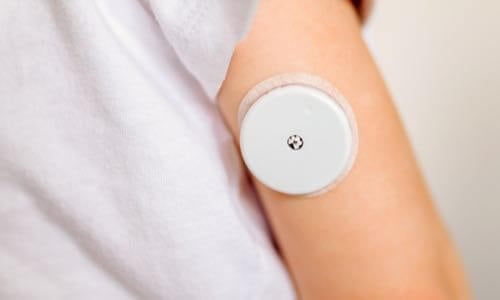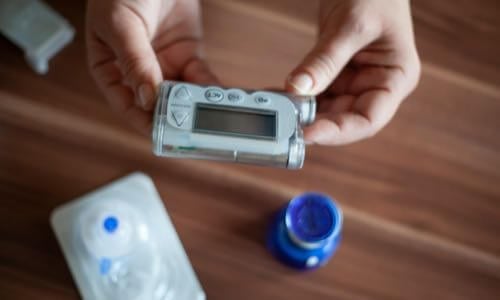
View current insulin pumps, smart pens and more from a variety of manufacturers. Compare features and technical specifications and find training resources, affordability information, prescription details and more.

View features and specifications of popular infusion sets to determine the best option for your patients and clients.
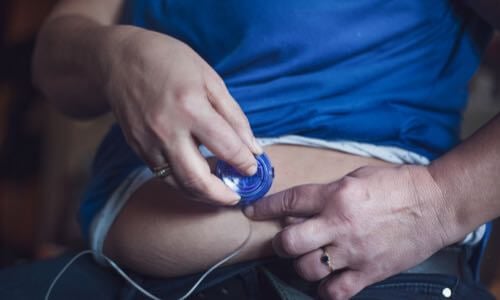
Open-source AID systems like Loop, AndroidAPS, and Trio combine pumps, CGMs, and smartphone apps to deliver customizable insulin automation. This section explains how they work, their unique features, safety considerations, and how clinicians can support patients using these evolving tools.
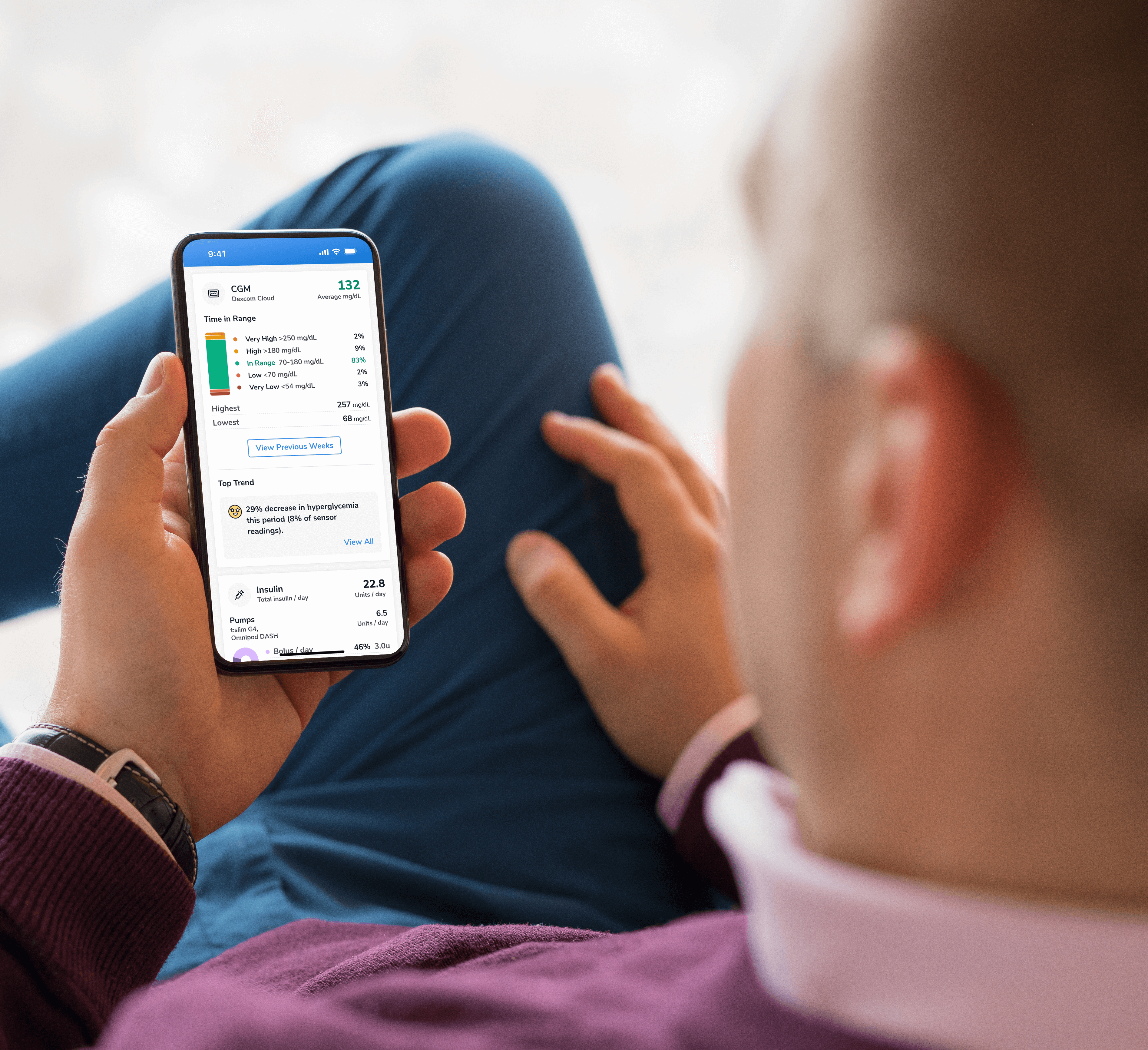
Find a sample of the latest online apps and digital platforms designed to prevent, manage and/or treat diabetes. We highlight apps and DTx for people with diabetes as well as the professionals treating them.

An overview of Glycemic Management Platforms that answers key questions including: What are they? What to consider? How can my inpatient facility benefit and more.
Are prior authorizations delaying patient care? Is your team overwhelmed by manual workflows? These platforms might help.
Find diabetes certificate programs, online learning opportunities, webinars, device training, practical tools and more. All resources are developed for diabetes healthcare professionals by diabetes healthcare professionals.

Find a variety of podcasts and videos focused on the latest topics in diabetes technology specifically created for diabetes healthcare professionals.
Danatech device trainings introduce healthcare professionals to the latest diabetes technology including the newest CGMs, automated insulin delivery devices, smart pens and more. Trainings include overviews, training specifics, FAQs and more.

The danatech Tool & Resource Directory gathers every clinician tool in one place, from product comparisons and affordability finders to point-of-care PANTHER forms and step-by-step workflows for CGM and AID. Users can filter by focus area and role to find what fits their practice.
Diabetes Technology Conference
The only event designed by and for the care team focused on using technology in practice to improve outcomes for people with diabetes.
Bring Our Curriculum to Your Students
Prepare future healthcare providers for modern diabetes care with danatech’s practical curriculum on CGM, insulin delivery, AID, and patient-centered communication.
Several automated insulin delivery (AID) manufacturers offer free digital demos that let clinicians and people with diabetes explore selected screens and workflows without connecting to a working insulin pump. Learn more.
Help tackle cardiovascular issues by equipping yourself with the knowledge to reduce cardiometabolic risk and combat the development of cardiometabolic diseases with specialized education and resources from danatech.

Whether you’re a healthcare professional seeking to enhance your expertise or someone passionate about making a significant impact in the lives of those affected by diabetes, this guide will help you navigate the path to becoming a CDCES.

Get a plain-language read on where the diabetes tech field is heading, why it matters for the people you support and the specific technology we're tracking
Recent diabetes technology innovations, product launches and enhancements as well as clinical perspectives regarding diabetes care.

Make your voice heard on Capitol Hill by sending messages to your members of Congress on critical issues that affect diabetes care and education. You can also track federal diabetes legislation to see which members have signed on to support the bill and whether there have been any relevant votes.
-(1).png?sfvrsn=799e9a59_1)

Content Developed By: Katherine Krieder Evans and Dana Roseman
Tool Created and Reviewed by: ADCES Tech Committee and the danatech staff
Continuous subcutaneous insulin infusion (CSII), also known as insulin pump therapy, is in its fifth decade of use and continues to grow in popularity. More recently, there has been an integration of continuous glucose monitoring (CGM) devices onto the pump screen and the creation of the first FDA approved insulin pump that responds to sensor data to adjust basal rates, suspend on low or impending low, and give automatic correction bolus doses when glucose is approaching pre-determined targets.
Automated insulin delivery systems are revolutionizing glucose management.1,2 The current data indicate there are over one million people with diabetes on insulin pump therapy worldwide3 and 350,000 to 515,000 in the United States.4 Insulin pump therapy offers increased lifestyle flexibility and improved glucose management.
Diabetes care and education specialists play an integral role in helping people with diabetes (PWD) achieve success in the use of insulin pump therapy, which has been demonstrated to improve clinical outcomes and quality of life.
Diabetes care and education specialists:
Explore our insulin pump section further to find topics that should be covered by diabetes care and education specialists when teaching people with diabetes and their families or significant others. Insulin pump therapy and the importance of maintaining a high level of expertise in this subspecialty of diabetes education if choosing to include pump and sensor training in the individual specialist’s practice are critical in diabetes management today.
Grouped by the claim each source supports. Primary and official sources — ADA, FDA, danatech, peer-reviewed — are tagged and listed first within each group. Compiled and verified July 2026.
Primary = official ADA, FDA, danatech or peer-reviewed source. Manufacturer = manufacturer product or labeling page.
All URLs verified accessible July 2026. Device insulin clearances and indications should be confirmed against the current IFU. The page defers current-device specifics to Find & Compare, so no device-model citations are listed here.
Introduction to Insulin Pumps and the NEW PANTHER Program Insulin Pump Settings Tool
Troubleshooting Insulin Pumps and Infusion Sets
Introduction to the Basics of Open-Source AID Systems: Loop, Trio and AAPS
Optimize Hybrid Closed Loop Insulin Pumps: A How-To Guide
Introducing the twiist™ AID system
Life Happens: How the MiniMed™ 780G system mitigates typical challenges to glycemic equilibrium
DISCLAIMERS:
This site and its services do not constitute the practice of medical advice, diagnosis or treatment. Always talk to your diabetes care and education specialist or health care provider for diagnosis and treatment, including your specific medical needs. If you have or suspect that you have a medical problem or condition, please contact a qualified health care professional immediately. To find a diabetes care and education specialist near you, visit the ADCES finder tool.
ADCES and danatech curate product specifics and periodically review them for accuracy and relevance. As a result, the information may or may not be the most recent. We recommend visiting the manufacturer's website for the latest details if you have any questions.




.png?sfvrsn=ff189f59_2)






danatech, powered by ADCES, helps the whole care team choose, start, use and support diabetes technology with confidence.