Search

Insulin Pump Safe Practices

65
Prevention & resolution of insulin pump challenges are an educational priority.

Content Developed By: Katherine Krieder Evans and Dana Roseman

Tool Created and Reviewed by: ADCES Tech Committee and the danatech staff

Strategies to Address Insulin Pump Therapy Challenges

Adverse events associated with insulin pump therapy are most often related to user error rather than pump malfunction. Choosing the wrong pump candidate, inadequate education, and lack of ongoing support by clinicians who are knowledgeable of the benefits and limitations of insulin pumps are seen as contributing factors of the adverse events.12


Educational Priorities

CGM and/or SMBG

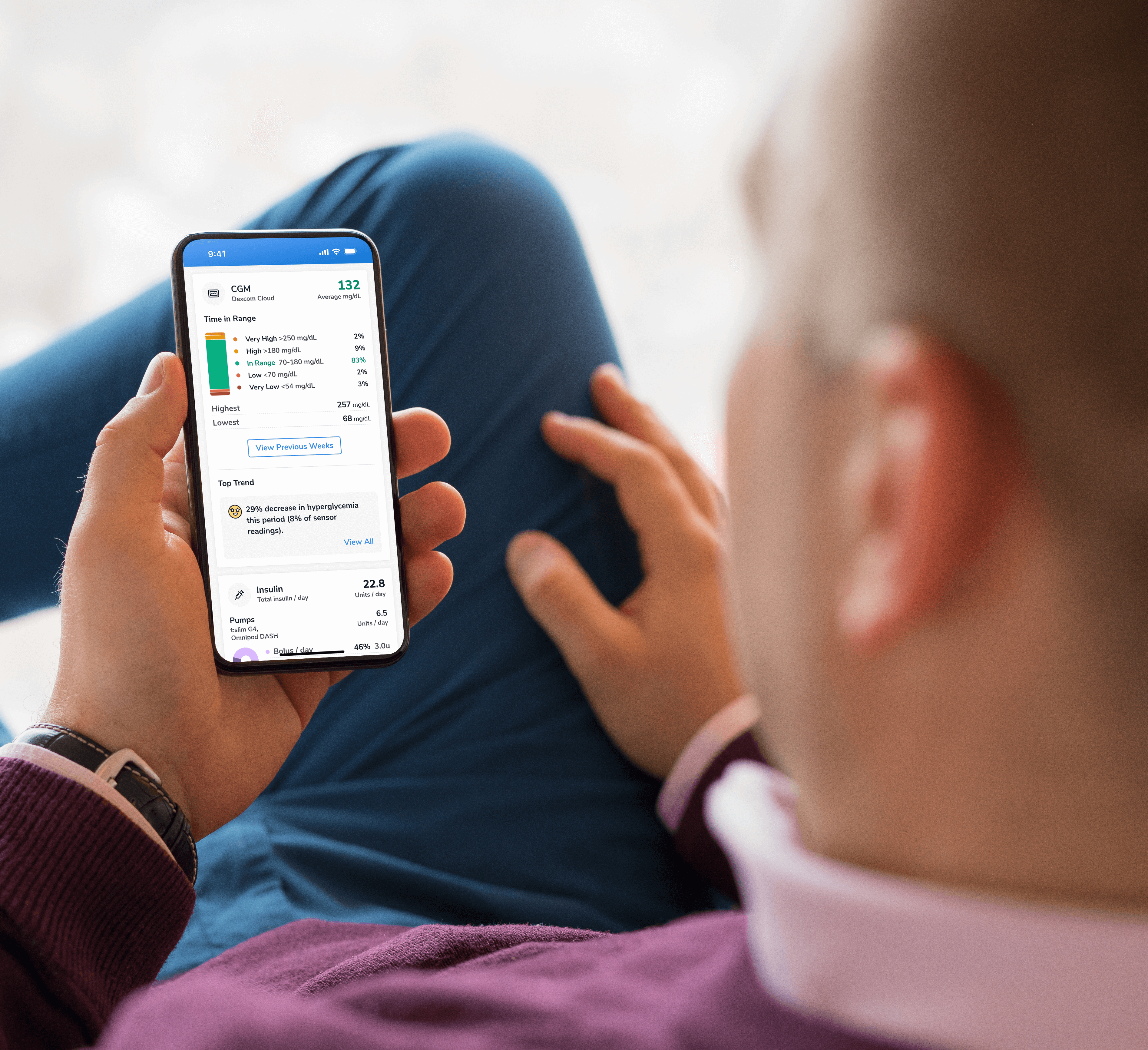
Some CGM/iCGM models can be used for dosing. Review the data frequently or self-monitor a minimum of 4-5 times daily to allow for early recognition of hypoglycemia or hyperglycemia and more often when initiating pump therapy and during periods of hyperglycemia, illness and 2 hours after infusion site changes.7, 11

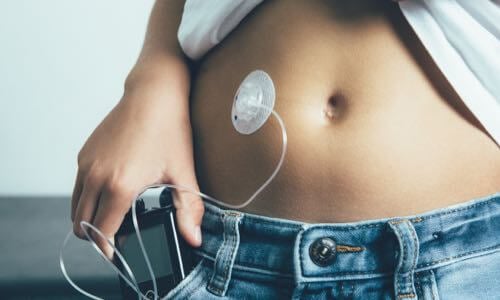
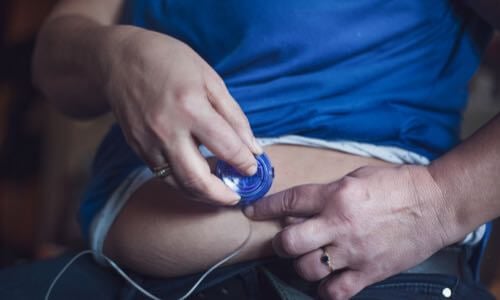
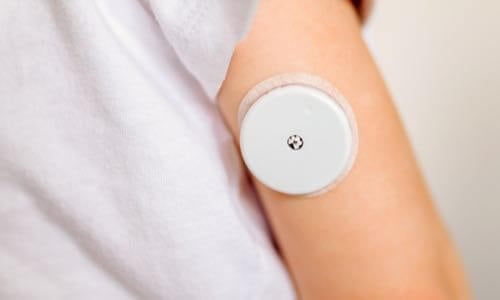
Infusion site selection and maintenance. The infusion site must be changed every 2-3 days and monitored for inflammation, signs of infection, lipodystrophy or infusion site leakage.7,11

Troubleshooting and problem solving. Potential causes of high and low blood glucose levels, including catheter occlusion or dislodgement, insulin degradation if exposed to temperature extremes, battery failure, missed doses, over-correction of hyperglycemia, pump malfunction, incorrect pump programming of infusion rates or settings for date and time should be addressed. Teach patients how to identify these issues and how to take action to resolve them.12,13

Alerts and alarms. Teach the benefits and limitations of using pump alarms and alerts. Although alarms can warn the wearer about catheter occlusion, low cartridge/reservoir volume, low battery, or other mechanical or software-related problems, these alarms may not always offer notification early enough to prevent hypoglycemia or hyperglycemia.

Alerts can be set to remind users to utilize SMBG, change the infusion site, change/charge the battery, missed bolus reminder, etc., but such alerts must be attended to in a timely way to prevent complications.7, 11,12 Too many alarms can also result in alarm fatigue and individuals may be inclined to ignore them, missing some critical alarms.

Hyperglycemia management. Teach the person to maintain supplies, including extra blood glucose test strips, ketone test strips and vials/syringes or insulin pens in case of unanticipated hyperglycemia, if pump failure occurs. Rapid-acting insulin should be administered by a syringe or pen in the presence of unresolved hyperglycemia and ketones.11,14,15

Diabetes care and education specialists must facilitate safe use of insulin pumps through education about precautions and considerations during exercise, travel and other special situations:

Exercise. Additional glucose monitoring should be encouraged before, during, and after exercise with plans for treatment to prevent hypoglycemia. Individuals should also be taught to adjust basal settings (and/or bolus doses) to mitigate hypoglycemia risk as appropriate for the duration and intensity of activity.7,16. Several of the AID systems have a specific target for exercise which should be initiated 60-90 minutes prior to the activity when possible.

Travel. Individuals should be encouraged to carry monitoring and pump supplies (including insulin) in carry-on luggage when flying in case luggage is lost, and to avoid extremes of temperature that are common in baggage compartments. Pumps must also be hand-checked rather than exposed to x-rays in airport security.17,18

The pump wearer should check with the Transportation Security Administration (TSA) and their pump manufacturer for specific insulin pump travel guidelines.

School and daycare settings. An individualized diabetes medical management plan needs to be developed for the child with special instructions for management of the insulin pump at school. Appropriate training must be provided for school personnel who would assist with implementing and following the plan.16,19

A 504 plan should also be written in conjunction with school personnel (school nurse, designated staff, principal etc.) to clearly delineate the role of the school in carrying out the medical management plan. The 504 plan is developed to ensure that a child who has a disability identified under the law and is attending an elementary or secondary educational institution receives accommodations that will ensure their academic success and access to the learning environment.

Medical procedures. Individuals should be made aware of pump manufacturers’ recommendations for insulin pumps during procedures that involve radiation exposure (including x-rays) and magnetic resonance imaging (MRI). Pumps should be kept outside of the imaging room until testing is complete. If the pump is disconnected for an hour or more, alternative insulin treatment should be provided.20

Hospitalization. Diabetes specialists and/or diabetes care and education specialists should develop policies that specify requirements of caring for those who maintain insulin pumps during hospitalization.20.21.22 Post COVID-19, many hospitals have been incorporating CGM into caring for their patients. The future of this option will evolve over time.

Hospital insulin pump policy content should address the following:

1. Determinants of continuing (or discontinuing) pump use.

2. Requirement of patient agreement.

3. Strategies to address interruption in insulin pump infusion.

4. Individual assessment requirements i.e., competency to self-manage, site assessment.

5. Documentation requirements i.e., assessments, self-administered doses.

6. Considerations for individuals going to surgery and/or procedures involving radiation or magnetic fields.


References

Grouped by the claim each source supports. Primary and official sources — ADA, FDA, danatech, peer-reviewed — are tagged and listed first within each group. Compiled and verified July 2026.

2026 ADA Standards of Care & AID as preferred delivery
  1. 1. American Diabetes Association. 7. Diabetes Technology: Standards of Care in Diabetes—2026. Diabetes Care. 2026;49(Suppl 1):S150–S178. AID is the standard of care and preferred delivery method for people with type 1 diabetes who can safely use the device; rec. 7.27 supports open-source AID management advice.Primary
  2. 2. American Diabetes Association. ADA Releases "Standards of Care in Diabetes—2026." Press release, Dec 2025. Confirms new guidance removing prior treatment prerequisites before initiating CSII or AID.Primary
  3. 3. CGM: ADA 2026 Standards of Care. American Academy of Family Physicians. Documents Rec. 7.8a — no requirement for C-peptide, islet autoantibodies or insulin-treatment duration before CSII or AID.
What integration is — and why not every integrated pump is AID
  1. 4. Boughton CK, Hovorka R. Automated insulin delivery in adults. Review describing sensor-augmented pump therapy and low-glucose suspend / predictive low-glucose management as distinct from full AID.
  2. 5. Sensor-Augmented Insulin Pumps and Hypoglycemia Prevention in Type 1 Diabetes. Describes SAP with and without automated insulin suspension — the integration-without-full-AID category the page distinguishes.
  3. 6. Closed-Loop Insulin Delivery Versus Sensor-Augmented Pump Therapy in Older Adults With Type 1 Diabetes (ORACL). Diabetes Care. 2022;45(2):381. Contrasts closed-loop AID against SAP in "manual mode" with optional low-glucose suspend.
Meal input differs by system (including the iLet)
  1. 7. U.S. Food and Drug Administration. FDA Clears New Insulin Pump and Algorithm-Based Software (iLet). Confirms the iLet replaces conventional carb counting with a meal-announcement feature and initializes on body weight alone.Primary
  2. 8. danatech / ADCES. FDA Approves iLet Bionic Pancreas. danatech's own coverage of the meal-announcement mechanism.danatech
  3. 9. Beta Bionics. Meal Announcements Guide for iLet Bionic Pancreas. Manufacturer instruction: announce the meal when eating begins, not before; do not announce if more than 30 minutes have passed; do not use to correct highs.Manufacturer
Correction behavior, bolus workflow & insulin stacking
  1. 10. American Diabetes Association. 7. Diabetes Technology: Standards of Care in Diabetes—2026. (See ref. 1.) Supports individualized device selection and system-specific use rather than a single correction rule.Primary
  2. 11. Beta Bionics. Meal Announcements Guide for iLet Bionic Pancreas. (See ref. 9.) Instruction not to use meal announcements to correct a high, illustrating why correction workflow is system-specific.Manufacturer
CGM data gaps, questionable readings & confirming with a meter
  1. 12. diaTribe. Your Guide to the 2026 ADA Standards of Care. Summarizes the Standards' guidance to use a glucometer when CGM readings don't match symptoms, e.g. during warm-up periods.
  2. 13. American Diabetes Association. 7. Diabetes Technology: Standards of Care in Diabetes—2026. (See ref. 1.) Underlying recommendation for confirmatory glucose-meter use.Primary
Insulin-delivery failure: AID cannot confirm insulin is reaching the body
  1. 14. danatech / ADCES. Troubleshooting Unexplained Hyperglycemia. danatech's own step-by-step guidance: mechanical, behavioral and metabolic causes of unexplained highs; when to check ketones; when to seek emergency care for DKA.danatech
  2. 15. Howsmon DP, et al. Early Detection of Infusion Set Failure During Insulin Pump Therapy in Type 1 Diabetes. Confirms infusion-set failure can cause prolonged hyperglycemia or DKA, characterized by rising glucose despite increased insulin infusion.
  3. 16. Frequent Insulin Infusion Site Failures "a Huge Problem." Medscape, Mar 2026. Reports that a large share of AID users experience infusion-site failures; unexplained hyperglycemia can serve as a clinical proxy for undetected occlusion.

Primary = official ADA, FDA, danatech or peer-reviewed source. Manufacturer = manufacturer product or labeling page.

All URLs verified accessible July 2026. Device insulin clearances and indications should be confirmed against the current IFU. The page defers current-device specifics to Find & Compare, so no device-model citations are listed here.


The Danatech Digest

Join 25,000+ professionals who get our latest diabetes technology updates

DISCLAIMERS:

This site and its services do not constitute the practice of medical advice, diagnosis or treatment. Always talk to your diabetes care and education specialist or health care provider for diagnosis and treatment, including your specific medical needs. If you have or suspect that you have a medical problem or condition, please contact a qualified health care professional immediately. To find a diabetes care and education specialist near you, visit the ADCES finder tool.

ADCES and danatech curate product specifics and periodically review them for accuracy and relevance. As a result, the information may or may not be the most recent. We recommend visiting the manufacturer's website for the latest details if you have any questions.


danatech is Made Possible by Grant Funding and Industry Sponsorship