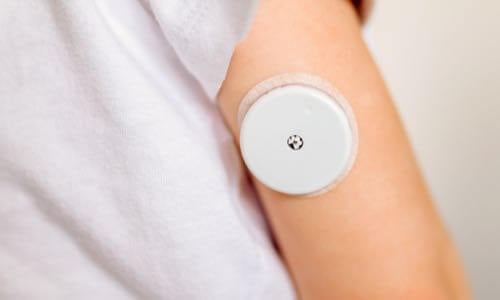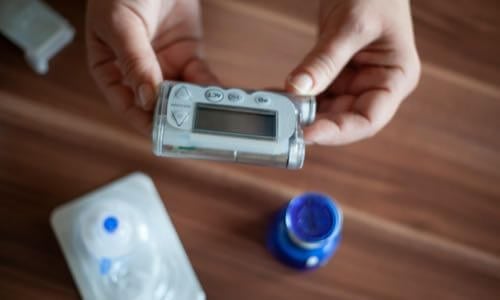
View current insulin pumps, smart pens and more from a variety of manufacturers. Compare features and technical specifications and find training resources, affordability information, prescription details and more.
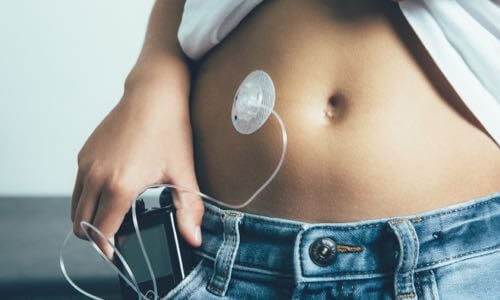
View features and specifications of popular infusion sets to determine the best option for your patients and clients.
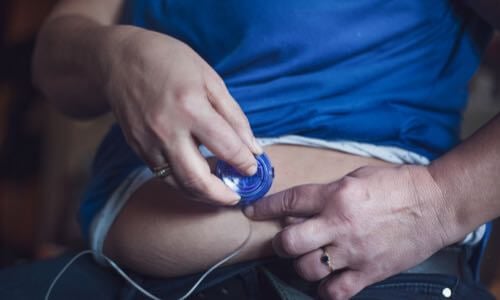
Open-source AID systems like Loop, AndroidAPS, and Trio combine pumps, CGMs, and smartphone apps to deliver customizable insulin automation. This section explains how they work, their unique features, safety considerations, and how clinicians can support patients using these evolving tools.
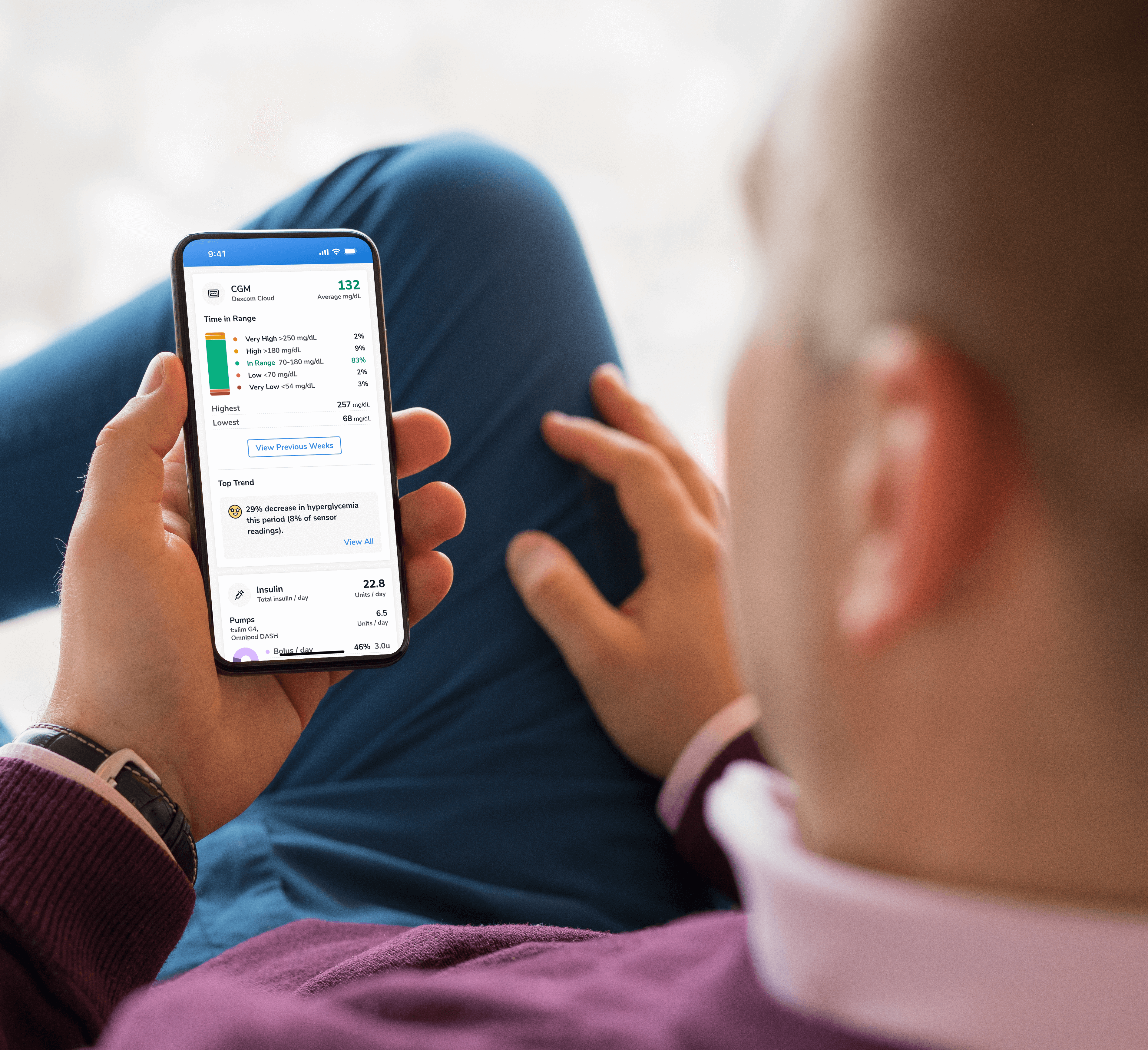
Find a sample of the latest online apps and digital platforms designed to prevent, manage and/or treat diabetes. We highlight apps and DTx for people with diabetes as well as the professionals treating them.

An overview of Glycemic Management Platforms that answers key questions including: What are they? What to consider? How can my inpatient facility benefit and more.
Are prior authorizations delaying patient care? Is your team overwhelmed by manual workflows? These platforms might help.
Find diabetes certificate programs, online learning opportunities, webinars, device training, practical tools and more. All resources are developed for diabetes healthcare professionals by diabetes healthcare professionals.

Find a variety of podcasts and videos focused on the latest topics in diabetes technology specifically created for diabetes healthcare professionals.
Danatech device trainings introduce healthcare professionals to the latest diabetes technology including the newest CGMs, automated insulin delivery devices, smart pens and more. Trainings include overviews, training specifics, FAQs and more.

The danatech Tool & Resource Directory gathers every clinician tool in one place, from product comparisons and affordability finders to point-of-care PANTHER forms and step-by-step workflows for CGM and AID. Users can filter by focus area and role to find what fits their practice.
Diabetes Technology Conference
The only event designed by and for the care team focused on using technology in practice to improve outcomes for people with diabetes.
Bring Our Curriculum to Your Students
Prepare future healthcare providers for modern diabetes care with danatech’s practical curriculum on CGM, insulin delivery, AID, and patient-centered communication.
Several automated insulin delivery (AID) manufacturers offer free digital demos that let clinicians and people with diabetes explore selected screens and workflows without connecting to a working insulin pump. Learn more.
Help tackle cardiovascular issues by equipping yourself with the knowledge to reduce cardiometabolic risk and combat the development of cardiometabolic diseases with specialized education and resources from danatech.

Whether you’re a healthcare professional seeking to enhance your expertise or someone passionate about making a significant impact in the lives of those affected by diabetes, this guide will help you navigate the path to becoming a CDCES.

Get a plain-language read on where the diabetes tech field is heading, why it matters for the people you support and the specific technology we're tracking
Recent diabetes technology innovations, product launches and enhancements as well as clinical perspectives regarding diabetes care.

Make your voice heard on Capitol Hill by sending messages to your members of Congress on critical issues that affect diabetes care and education. You can also track federal diabetes legislation to see which members have signed on to support the bill and whether there have been any relevant votes.

A practical reference for healthcare professionals, with clear definitions of commonly used diabetes technology terms.
Browse A–Z below, or use your browser’s find (Ctrl + F / ⌘ F) to search any term, abbreviation or older name.
Related concepts set side by side, with the distinction that matters.
Key distinction These are three separate factors behind why a CGM reading may differ from the expected glucose value — not interchangeable terms.
Key distinction iCGM and interoperability are capabilities; compatibility is confirmed for each specific device pairing.
Key distinction Personal and professional describe how a CGM is used; over-the-counter describes how a device is obtained and labeled. These categories are not mutually exclusive.
Key distinction AID is the category. Hybrid closed loop describes how much it automates; automated mode describes when it is active.
A labeling term for a CGM not cleared for treatment decisions on its own; a fingerstick reading is needed to confirm before acting.
Also searched as: confirmatory fingerstick required
Notifications that warn when glucose is high, low, changing rapidly or predicted to cross a threshold. Some settings can be customized, while certain safety alerts may be fixed depending on the system.
Also searched as: notifications urgent low threshold
A standardized one-page report that summarizes CGM data into a single visual, making it easier to spot patterns and guide decisions during a visit.
Also searched as: report standardized
An extra dose some AID systems deliver automatically when CGM data suggests glucose is above the target range, in addition to adjusting basal insulin.
Also searched as: bolus auto-correction aid algorithm
A system that uses CGM data and an algorithm to automatically adjust insulin delivery through a compatible pump. Most systems still require some user actions, such as announcing meals or giving meal doses.
Also searched as: hybrid closed loop artificial pancreas algorithm
The state in which an AID system is actively adjusting insulin using CGM data. If CGM data is unavailable or a setting requires it, the system may transition to limited automation or another delivery mode, depending on the device.
Why it matters Knowing whether a system is in automated mode helps explain changes in insulin delivery and supports troubleshooting.
Also searched as: auto closed loop aid active manual
The plan for delivering insulin by injection if a pump or AID system stops working. Every pump user should have one, including access to long-acting and rapid-acting insulin.
Also searched as: pump failure injections mdi
The background insulin delivered by a pump to meet ongoing needs between meals and overnight. Basal delivery may remain steady, vary by time of day or be adjusted automatically by an AID system.
Also searched as: background continuous overnight insulin
A device that measures glucose from a fingerstick blood sample at a single moment. Still used to confirm readings in some situations and as a backup when CGM is unavailable.
Also searched as: fingerstick smbg self-monitoring
A dose of insulin taken to cover food or to correct an elevated glucose level, given on top of the basal insulin.
Also searched as: dose meal correction food insulin
A feature that calculates or suggests a bolus using the person's programmed settings and information such as current glucose, planned carbohydrate intake and insulin on board. Depending on the device, the user reviews and initiates the dose.
Also searched as: dose wizard
Using a blood glucose reading to adjust a CGM sensor. Some systems require calibration, while many current systems are factory calibrated. Users should follow the instructions for their specific device and should not enter calibration values unless the system permits or requests them.
Also searched as: factory calibrated fingerstick blood glucose
The part of an infusion set that remains under the skin and delivers insulin. Depending on the set, it may be a soft, flexible tube or a small steel needle.
Also searched as: flexible tube subcutaneous infusion
A family member or other supporter who helps a person manage diabetes, often by receiving shared alerts or monitoring data remotely.
Also searched as: caregiver follower family support
A measure of glucose variability, calculated as the standard deviation divided by mean glucose. A higher %CV means more swing between highs and lows; 36% is a commonly cited stability threshold.
Also searched as: percent glucose variability stability
A device confirmed to work with another specific device, such as a CGM cleared to pair with a particular pump. Being in the same product family does not by itself mean two devices are compatible.
Why it matters Compatibility is confirmed per pairing. Assuming all devices from a brand work together is a common source of error in device selection.
Also searched as: compatibility works with pairing approved list
A falsely low CGM reading caused by pressure on the sensor, such as lying on it during sleep. Pressure can produce readings below the true glucose value.
Why it matters An unexpected low should be assessed and, when appropriate, confirmed with a blood glucose meter before it is dismissed as a compression artifact.
Also searched as: false pressure lying on sensor artifact
A reusable pen, disposable pen or attached cap that supports insulin dosing digitally. Capabilities vary: some record the dose actually delivered, while others provide dose reminders or guidance without confirming the delivered amount.
Also searched as: smart cap dose capture digital
A wearable system that measures glucose in the fluid just under the skin at frequent intervals and displays readings, trends and direction of change. CGM is widely used by people taking insulin and may also benefit people using other treatments, depending on clinical needs and goals.
Also searched as: sensor monitoring
The clinical term for insulin delivered continuously through an insulin pump into the tissue under the skin.
Also searched as: pump therapy
A condition or circumstance in which a device or therapy should not be used because the potential risk outweighs the benefit. A contraindication is stronger than a warning or precaution and is identified in the product labeling.
Also searched as: risk outweighs benefit should not use labeling
A dose of insulin given specifically to bring an elevated glucose level down, separate from any dose covering food.
Also searched as: high glucose factor
How far one unit of insulin is expected to lower glucose. Also called the insulin sensitivity factor; used to calculate correction doses.
Also searched as: insulin sensitivity
Whether enough CGM data has been collected to interpret patterns reliably. Approximately 14 days with at least 70% active sensor data is a commonly used reference, though shorter periods can help answer specific clinical questions.
Why it matters Metrics read from too little data can mislead; checking data sufficiency comes before acting on the numbers.
Also searched as: active wear time sensor 14 days
Transferring data from a CGM, pump, pen or AID system into software to produce reports for review. Also described as uploading or syncing.
Also searched as: upload data report cloud sync
A benefit category many CGMs and pumps are covered under. How a device is billed and supplied depends on whether it falls under the DME benefit or the pharmacy benefit.
Also searched as: benefit coverage supplier
A temporary AID setting for periods when less insulin may be needed, such as physical activity. Depending on the system, it may raise the glucose target, reduce insulin delivery or change other algorithm behavior.
Also searched as: temporary target aid raise
A bolus delivered gradually over a set time rather than all at once, sometimes used for meals that are absorbed slowly. Availability and naming vary by pump.
Also searched as: square wave dual combo prolonged
Distinct FDA pathways that are not interchangeable. 510(k) clearance shows a device is substantially equivalent to a legally marketed one; premarket approval (PMA) requires evidence of safety and effectiveness for higher-risk devices; De Novo authorization creates a new classification for a novel lower-risk device without a predicate.
Why it matters In device comparisons, using the exact term the labeling uses keeps claims accurate and defensible.
Also searched as: 510k pma de novo
A value calculated from average CGM glucose and expressed in the same percentage units as A1C. GMI and laboratory A1C may differ because they are based on different information and can be affected by individual biological factors.
Why it matters Connects recent CGM glucose exposure with a familiar A1C-like value, but should not be interpreted as a replacement for laboratory A1C.
Also searched as: estimated a1c
How much glucose swings up and down over time. Lower variability generally reflects more stable, predictable glucose.
Also searched as: swing stability cv standard deviation
An AID system that automatically adjusts insulin delivery using CGM data but still requires some user participation, commonly for meals. The actions required vary by system.
Also searched as: hcl automated basal correction meal
The component that delivers insulin from a pump into the tissue under the skin. It generally includes a cannula and adhesive and, for tubed pumps, connecting tubing.
Also searched as: tubing cannula adhesive site
The length of time a bolus of insulin continues to lower glucose after it is given. It underlies insulin-on-board calculations and is a setting in many pumps, bolus calculators and AID systems.
Why it matters Set too short or too long, it skews insulin-on-board estimates and can contribute to stacking or under-dosing.
Also searched as: active time
An estimate of insulin previously delivered that is still active and expected to continue lowering glucose. How IOB is calculated varies by device and may include bolus insulin, automated delivery or both.
Also searched as: bob active remaining
A wearable device that delivers insulin continuously through a small cannula placed under the skin. Some pumps connect to the infusion site with tubing, while others attach directly to the body. Pumps deliver background insulin and additional doses for food or elevated glucose.
Also searched as: csii tubed patch wearable delivery
Giving additional insulin without adequately accounting for insulin still active from an earlier dose. This can result in more insulin than intended and increase the risk of hypoglycemia.
Also searched as: overlapping boluses hypoglycemia
How many grams of carbohydrate one unit of insulin covers, used to calculate mealtime boluses.
Also searched as: carbohydrate meal dose
An FDA-designated category of CGM that meets specific performance and interoperability requirements and can securely communicate with compatible devices, such as insulin pumps and AID systems. Compatibility still must be confirmed for the specific devices being used.
Also searched as: interoperable interoperability compatible
The specific populations and purposes a device is cleared or approved for, as stated in its FDA labeling. Defines who a device is meant for and how.
Also searched as: labeling population approved
Medications or compounds that can affect the accuracy of some CGM readings. Wearers should be educated on these and other factors that may affect accuracy for their specific device.
Also searched as: accuracy medication vitamin c
The ability of devices from different systems to work together reliably, such as an integrated CGM feeding an AID pump. Interoperability is confirmed per device pairing, not assumed.
Also searched as: compatible connected devices work together
The glucose in the fluid surrounding cells in the tissue, which is what a CGM sensor measures. It correlates closely with blood glucose but can differ when glucose is changing quickly.
Also searched as: fluid tissue
Ketones are produced when the body uses fat for energy, which in a person with diabetes can signal too little available insulin. A dangerous buildup can lead to diabetic ketoacidosis (DKA). Pump and AID users may be at increased risk when insulin delivery is interrupted.
Why it matters Unexpected or persistent high glucose in a pump user can signal interrupted insulin delivery and may warrant ketone assessment according to the person's safety plan.
Also searched as: diabetic ketoacidosis safety pump interruption
The difference in timing between glucose changes in the blood and glucose changes measured in interstitial fluid. It may be more noticeable when glucose is rising or falling rapidly.
Also searched as: interstitial blood glucose delay rising falling
A small insulin pump worn directly on the skin that delivers insulin through a cannula and is controlled manually by the user, rather than by an automated algorithm. Some deliver bolus doses only.
Also searched as: tubeless bolus only wearable
Providing an AID system with information that food is being eaten, such as carbohydrate amount or meal size. Depending on the system, the user may also need to review and initiate a meal bolus.
Also searched as: carb entry aid input bolus
A research measure of CGM accuracy comparing sensor readings to reference blood glucose values. A lower percentage indicates closer agreement, though study methods vary.
Why it matters A common accuracy shorthand, but numbers from different studies are not always directly comparable.
Also searched as: accuracy sensor
The average of all glucose values over a reporting period. It feeds other metrics, including the glucose management indicator.
Also searched as: average cgm
An insulin regimen given by injection rather than a pump, typically combining a long-acting basal insulin with rapid-acting doses at meals. Often the comparison point when discussing pumps, transitions and backup plans.
Also searched as: basal bolus pen syringe
A labeling term for a CGM cleared to be used for treatment decisions without a confirmatory fingerstick. Confirmatory blood glucose testing may still be needed when readings are unavailable, unreliable or inconsistent with symptoms.
Also searched as: non-adjunctive treatment decisions no confirmatory fingerstick
A blockage that disrupts insulin flow through the infusion set or cannula. A pump may generate an occlusion alarm, but not every insulin-delivery problem is detected immediately.
Why it matters Interrupted pump insulin delivery can lead to rapidly rising glucose and increase the risk of ketones and DKA.
Also searched as: blockage no delivery alarm infusion
Using a cleared or approved device outside its stated indication. It is a clinical decision made by the prescriber and person, not something covered by the device's labeling.
Also searched as: off-label outside indication prescriber
An AID system built through an open-source community that combines compatible hardware and software. Some open-source systems are not reviewed or cleared by the FDA as a complete system. People using them should receive respectful, informed clinical support.
Also searched as: diy looping loop androidaps trio community
A CGM available without a prescription, for the populations specified in each product's FDA labeling. OTC availability does not by itself mean a device is suitable for diabetes treatment decisions; some lack hypoglycemia alarms and are not intended for people who need those safety features.
Also searched as: otc no prescription non-insulin
A CGM used by a person on an ongoing basis to view glucose information and support day-to-day diabetes management.
Also searched as: owned patient real-time
Coverage of a device or supplies through the pharmacy rather than the DME channel. Which channel applies affects cost, paperwork and where the person picks up supplies.
Also searched as: coverage point of sale
Approval a payer requires before it will cover certain devices or supplies. Documentation requirements vary by payer and can affect how quickly a person gets started.
Why it matters A frequent cause of delay between a decision to start a device and the person actually receiving it.
Also searched as: approval coverage payer documentation
A clinic-owned CGM used for a defined monitoring period to collect glucose data for clinical review. Data may be visible to the wearer or blinded during use, depending on the system and purpose.
Also searched as: clinic-owned blinded diagnostic
A CGM that automatically sends glucose readings to a receiver or compatible smart device at regular intervals, without the user scanning the sensor.
Also searched as: real-time continuous
A handheld device used to display glucose readings from a CGM. Depending on the system, glucose data may be viewed on a dedicated receiver or reader, a compatible smartphone app or more than one display option.
Also searched as: display smartphone handheld
Sharing device data so another person can view it from a different location. This ranges from informal sharing with a care partner to formal clinician remote patient monitoring, which are distinct in purpose and requirements.
Also searched as: monitoring follow caregiver telehealth
The container inside a pump that holds insulin. It is refilled or replaced on a set schedule depending on the system.
Also searched as: insulin pump fill
The part of a CGM placed under the skin that detects glucose in interstitial fluid. How it is inserted, how long it is used and whether the user replaces it vary by system.
Also searched as: cgm insert subcutaneous
How long a single CGM sensor is used before it is replaced or the session ends. It varies by system and is distinct from warm-up time, which is the delay before a new sensor starts reporting.
Also searched as: period session length days replacement
A temporary gap in CGM data when the sensor and display device lose connection, for example from distance or interference. Data usually resumes once the connection is restored.
Also searched as: gap dropout out of range disconnected
A problem at the infusion site that disrupts insulin delivery, including poor absorption, leakage, a dislodged cannula or interrupted flow. It often presents as unexplained high glucose.
Why it matters Unexplained hyperglycemia in a pump user may require prompt troubleshooting, a site change and ketone assessment according to the person's safety plan.
Also searched as: infusion absorption irritation rotation
Whether a specific phone model and operating system version are supported by a device's app. Manufacturers publish compatibility lists that change over time, so a phone that works today may not after an update.
Why it matters A practical implementation barrier that is separate from device interoperability and easy to overlook until setup fails.
Also searched as: phone os operating system app supported
A measure of how far glucose readings spread above and below the average. Used with %CV to describe variability.
Also searched as: spread glucose variability
The glucose level a pump or AID system aims for when calculating doses or adjusting delivery. May be set by the care team within a device's allowed range.
Also searched as: setting pump aid goal
A short-term increase or decrease to the usual basal rate, for situations such as activity or illness. Not available while some AID systems are in automated mode.
Also searched as: temp adjustment exercise
The percentage of time glucose is above the target range. Often split into levels for high and very high glucose to guide where to focus.
Also searched as: hyperglycemia high
The percentage of time glucose is below the target range. Reducing time below range is commonly the first priority when reviewing CGM data.
Why it matters Hypoglycemia carries immediate safety risk, so time below range is often addressed before time above range.
Also searched as: hypoglycemia low
The percentage of time glucose stays within a target range. 70–180 mg/dL is a common target for many nonpregnant adults, but the appropriate range varies by person and clinical circumstance.
Why it matters Quantifies how much time glucose is within the agreed target range and adds information about glucose exposure that A1C alone cannot provide.
Also searched as: target 70-180 glycemic
The component that sends glucose readings from the sensor to a display device. It may be built into a disposable sensor or be a separate reusable part, depending on the system.
Also searched as: cgm sensor signal
On-screen arrows that show the direction and approximate speed of glucose change. They provide context for the current reading and may help guide decisions when used with the person's individualized plan.
Also searched as: direction rate of change
The short period after a new sensor is inserted before it begins reporting glucose. Length varies by system.
Also searched as: warm-up sensor startup calibration period
Labeling statements that flag risks to be aware of and steps to reduce them. Less absolute than a contraindication: use may still be appropriate with the stated cautions.
Also searched as: labeling caution risk
DISCLAIMERS:
This site and its services do not constitute the practice of medical advice, diagnosis or treatment. Always talk to your diabetes care and education specialist or health care provider for diagnosis and treatment, including your specific medical needs. If you have or suspect that you have a medical problem or condition, please contact a qualified health care professional immediately. To find a diabetes care and education specialist near you, visit the ADCES finder tool.
ADCES and danatech curate product specifics and periodically review them for accuracy and relevance. As a result, the information may or may not be the most recent. We recommend visiting the manufacturer's website for the latest details if you have any questions.











danatech, powered by ADCES, helps the whole care team choose, start, use and support diabetes technology with confidence.