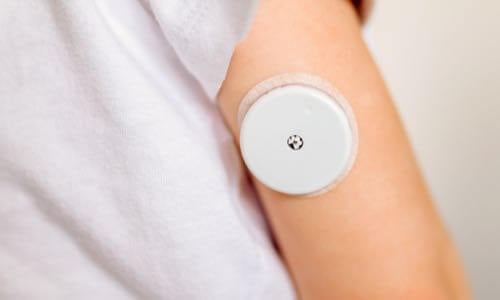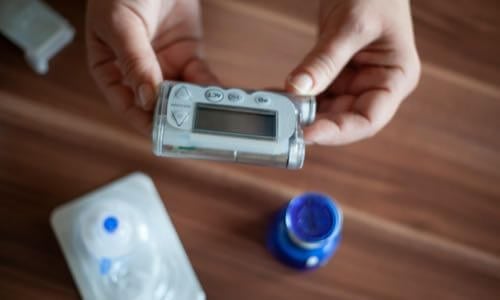
View current insulin pumps, smart pens and more from a variety of manufacturers. Compare features and technical specifications and find training resources, affordability information, prescription details and more.
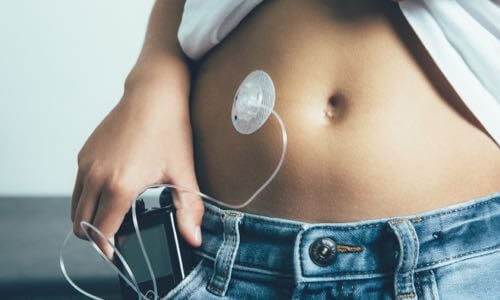
View features and specifications of popular infusion sets to determine the best option for your patients and clients.
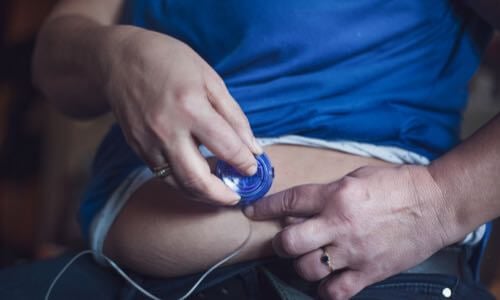
Open-source AID systems like Loop, AndroidAPS, and Trio combine pumps, CGMs, and smartphone apps to deliver customizable insulin automation. This section explains how they work, their unique features, safety considerations, and how clinicians can support patients using these evolving tools.
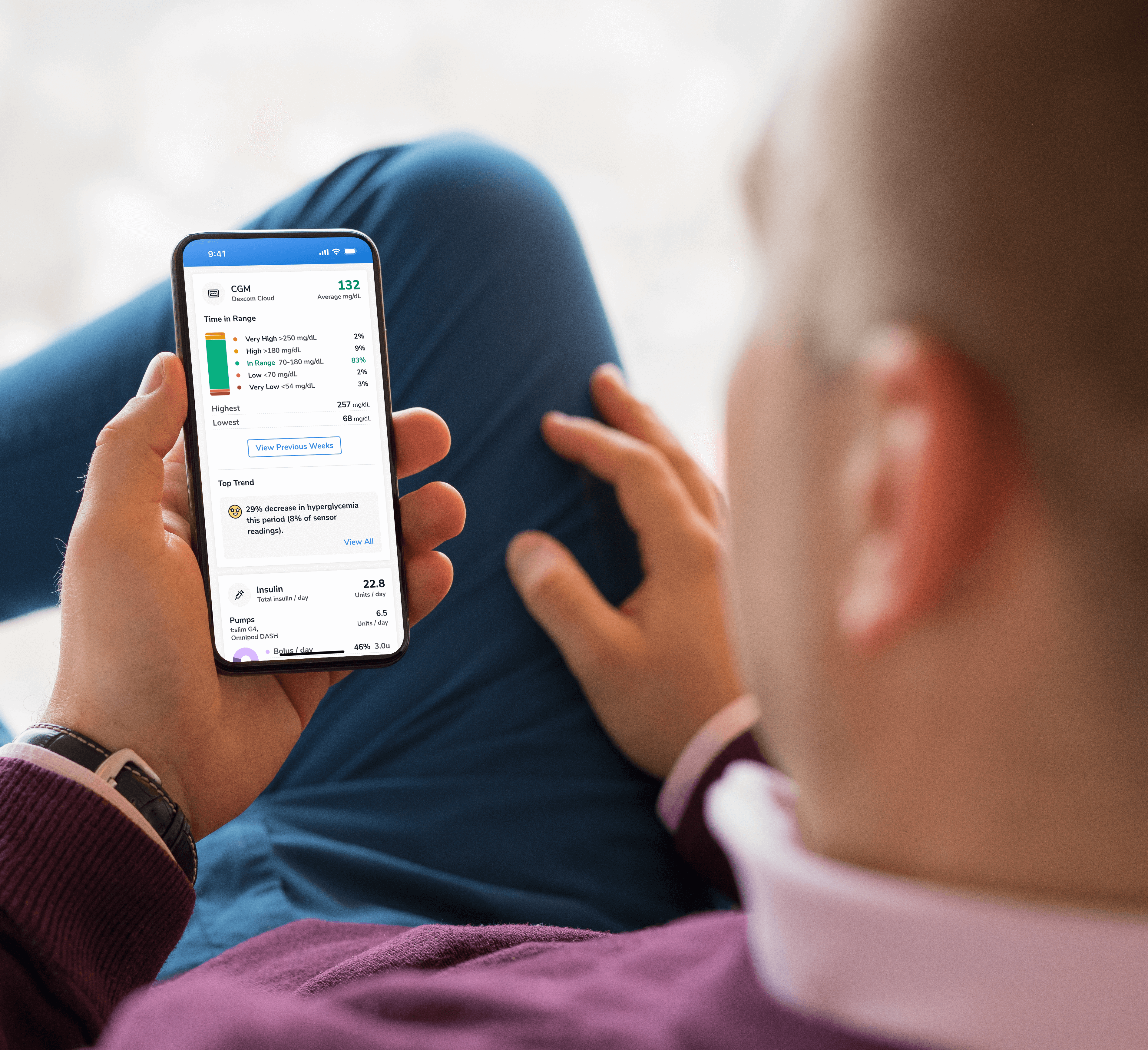
Find a sample of the latest online apps and digital platforms designed to prevent, manage and/or treat diabetes. We highlight apps and DTx for people with diabetes as well as the professionals treating them.

An overview of Glycemic Management Platforms that answers key questions including: What are they? What to consider? How can my inpatient facility benefit and more.
Are prior authorizations delaying patient care? Is your team overwhelmed by manual workflows? These platforms might help.
Find diabetes certificate programs, online learning opportunities, webinars, device training, practical tools and more. All resources are developed for diabetes healthcare professionals by diabetes healthcare professionals.

Find a variety of podcasts and videos focused on the latest topics in diabetes technology specifically created for diabetes healthcare professionals.
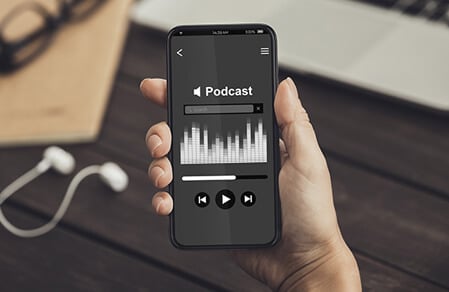
Danatech device trainings introduce healthcare professionals to the latest diabetes technology including the newest CGMs, automated insulin delivery devices, smart pens and more. Trainings include overviews, training specifics, FAQs and more.

The danatech Tool & Resource Directory gathers every clinician tool in one place, from product comparisons and affordability finders to point-of-care PANTHER forms and step-by-step workflows for CGM and AID. Users can filter by focus area and role to find what fits their practice.
Diabetes Technology Conference
The only event designed by and for the care team focused on using technology in practice to improve outcomes for people with diabetes.
Bring Our Curriculum to Your Students
Prepare future healthcare providers for modern diabetes care with danatech’s practical curriculum on CGM, insulin delivery, AID, and patient-centered communication.
Several automated insulin delivery (AID) manufacturers offer free digital demos that let clinicians and people with diabetes explore selected screens and workflows without connecting to a working insulin pump. Learn more.
Help tackle cardiovascular issues by equipping yourself with the knowledge to reduce cardiometabolic risk and combat the development of cardiometabolic diseases with specialized education and resources from danatech.

Whether you’re a healthcare professional seeking to enhance your expertise or someone passionate about making a significant impact in the lives of those affected by diabetes, this guide will help you navigate the path to becoming a CDCES.

Get a plain-language read on where the diabetes tech field is heading, why it matters for the people you support and the specific technology we're tracking
Recent diabetes technology innovations, product launches and enhancements as well as clinical perspectives regarding diabetes care.

Make your voice heard on Capitol Hill by sending messages to your members of Congress on critical issues that affect diabetes care and education. You can also track federal diabetes legislation to see which members have signed on to support the bill and whether there have been any relevant votes.

A request for continued CGM coverage was denied on a plan criterion the patient did not meet. Here is how the care team responded, and why it worked.
Developed and reviewed by the ADCES Diabetes Technology Committee. Last reviewed October 2026
About this case: One case, shared for education. Payer criteria, appeal rights and timelines vary by plan. Patient details are de-identified.
E11.29Type 2 diabetes with other diabetic kidney complication
Weekly, in active dose escalation
Insulin, sulfonylurea or meglitinide
Established user with documented benefit
Continued coverage of CGM sensors
The payer’s denial letter stated that the plan covers CGM sensors only for members taking insulin, a sulfonylurea or a meglitinide. This was not a documentation problem. The submission was complete. The patient simply did not meet a written plan criterion, and no amount of additional chart material would change that fact.
The care team read the denial letter closely and correctly classified the denial type. This is the fork in the road that determines everything downstream. A documentation-gap denial is fixed by supplying the missing element. A criteria-based denial cannot be fixed that way, because the criterion is not in dispute and the patient genuinely does not meet it.
Recognizing this early prevented a common wasted step in appeals work: resubmitting the same clinical narrative with more attachments and expecting a different result.
The DCES confirmed the plan’s published criterion and recognized that the requirement for insulin, sulfonylurea or meglitinide use appeared to function as a proxy for hypoglycemia risk.
Once that was named, the strategic question became clear. This patient’s medical necessity for CGM does not arise from hypoglycemia risk at all, so the appeal would need to request a medical necessity exception to the criterion rather than argue compliance with it.
The team also confirmed the filing window of 180 days from the denial date. That established both how much time was available and how quickly the strongest clinical arguments would lose force, since an active medication titration is a time-limited fact.
Rather than restate the original request, the team built the appeal on three independent clinical grounds, each supported by data already in the chart.
Tirzepatide dose escalation was underway at the time of the appeal. In this case, continuous glucose data provided clinically useful information about glycemic response during active medication titration that intermittent sampling could not provide.
Diabetic kidney disease (E11.29, type 2 diabetes with other diabetic kidney complication) increased the importance of maintaining individualized glycemic goals. CGM provided additional information about glucose patterns across the day and night to support ongoing treatment decisions and glycemic management.
Recommendation 9.25 of the ADA Standards of Care in Diabetes—2026 recommends CGM at diabetes onset and anytime thereafter for adults with diabetes who are on insulin therapy, on noninsulin therapies that can cause hypoglycemia or on any diabetes treatment where CGM aids in management. In this case, CGM was already providing clinically actionable information that informed nutrition and treatment decisions during active tirzepatide titration. The plan’s coverage criterion was more restrictive than current ADA clinical guidance, and the appeal stated this directly.
Citation: American Diabetes Association Professional Practice Committee for Diabetes. 9. Pharmacologic Approaches to Glycemic Treatment: Standards of Care in Diabetes—2026. Diabetes Care 1 January 2026; 49 (Supplement_1): S183–S215. https://doi.org/10.2337/dc26-S009The team then documented benefits already demonstrated rather than benefits predicted. CGM-guided nutrition intervention had produced a GMI of 6.5% with a coefficient of variation of 20.4% and no hypoglycemia. CGM had identified specific actionable patterns, including postprandial excursions and evening and weekend elevations, that intermittent fingerstick testing had not surfaced in this case and that directly shaped the current treatment plan. Wear time above 90% established engagement. Since the coverage lapse, the patient had self-initiated four fingerstick checks daily, which the letter used as evidence of both her engagement and the insufficiency of fingersticks for the patterns in question.
Coverage note: Four daily fingerstick checks were specific to this case, not a CGM coverage requirement. Medicare eliminated its four-times-daily fingerstick prerequisite in 2021. Coverage criteria vary by payer.
Two facts required honest handling rather than omission.
The letter did not hide it. It presented the absence of hypoglycemia in the context of CGM-guided management, rather than as evidence that monitoring was unnecessary.
The letter conceded this plainly. Arguing otherwise would have cost credibility with the reviewer for no gain.
The team did not wait for a second denial before requesting a clinical conversation.
The payer accepted the expedited review request and issued a decision within 72 hours, rather than the 15–30 days allowed for standard review under this plan.
Objective evidence was attached as labeled exhibits with interpretive captions, so the reviewer did not have to interpret raw reports. Submission went by fax to preserve a same-day transmission confirmation as proof of timely filing, and the complete packet was retained in the chart in case a second-level appeal or external review became necessary.
At the visit where the denial was discussed, the DCES provided a 30-day supply of an over-the-counter biosensor in office, along with education on application, wear period and app setup. This kept clinical decision-making data-informed during titration and kept the patient engaged rather than idle while the appeal moved.
The patient received notification from her pharmacy that the CGM sensors were approved, within the 72-hour expedited window. The requested peer-to-peer was never needed.
Compared with the standard written appeal cycle, expedited handling compressed the monitoring gap from weeks to days, during the exact period the tirzepatide dose was being escalated.
The instinct with a denial is to send more. The higher-yield move is to determine whether the denial is about missing documentation or about a criterion the patient does not meet, because those two denials call for opposite responses. When the criterion is the barrier, the appeal is not a resubmission. It is an argument that the criterion, which may stand in for one kind of risk, does not capture the actual clinical necessity in front of you.
Expedited review may be available when the circumstances meet the payer’s criteria for urgent handling. In this case, the team documented active medication titration, the loss of CGM coverage during that titration and the patient’s out-of-pocket cost for an over-the-counter biosensor as the basis for the request. The payer accepted the expedited request and issued a decision within its 72-hour expedited review window. When requesting expedited review, clearly state the clinical circumstances and other relevant factors supporting the request. If the clinical facts support expedited handling, ask for it explicitly and state the basis.
For an established device user, the strongest evidence is already in the chart. Glycemic metrics, wear time and the specific clinical decisions the data produced are more persuasive than a general statement of what CGM can do.
DISCLAIMERS:
This site and its services do not constitute the practice of medical advice, diagnosis or treatment. Always talk to your diabetes care and education specialist or health care provider for diagnosis and treatment, including your specific medical needs. If you have or suspect that you have a medical problem or condition, please contact a qualified health care professional immediately. To find a diabetes care and education specialist near you, visit the ADCES finder tool.
ADCES and danatech curate product specifics and periodically review them for accuracy and relevance. As a result, the information may or may not be the most recent. We recommend visiting the manufacturer's website for the latest details if you have any questions.









danatech, powered by ADCES, helps the whole care team choose, start, use and support diabetes technology with confidence.