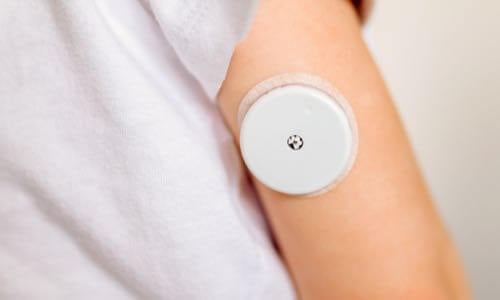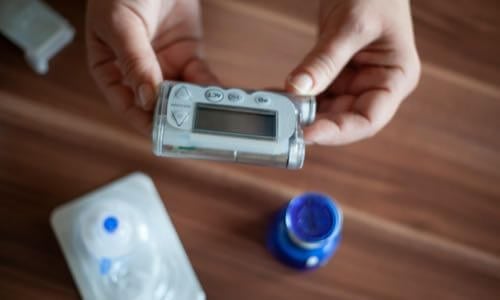
View current insulin pumps, smart pens and more from a variety of manufacturers. Compare features and technical specifications and find training resources, affordability information, prescription details and more.

View features and specifications of popular infusion sets to determine the best option for your patients and clients.
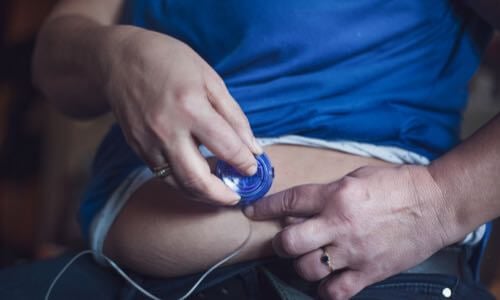
Open-source AID systems like Loop, AndroidAPS, and Trio combine pumps, CGMs, and smartphone apps to deliver customizable insulin automation. This section explains how they work, their unique features, safety considerations, and how clinicians can support patients using these evolving tools.
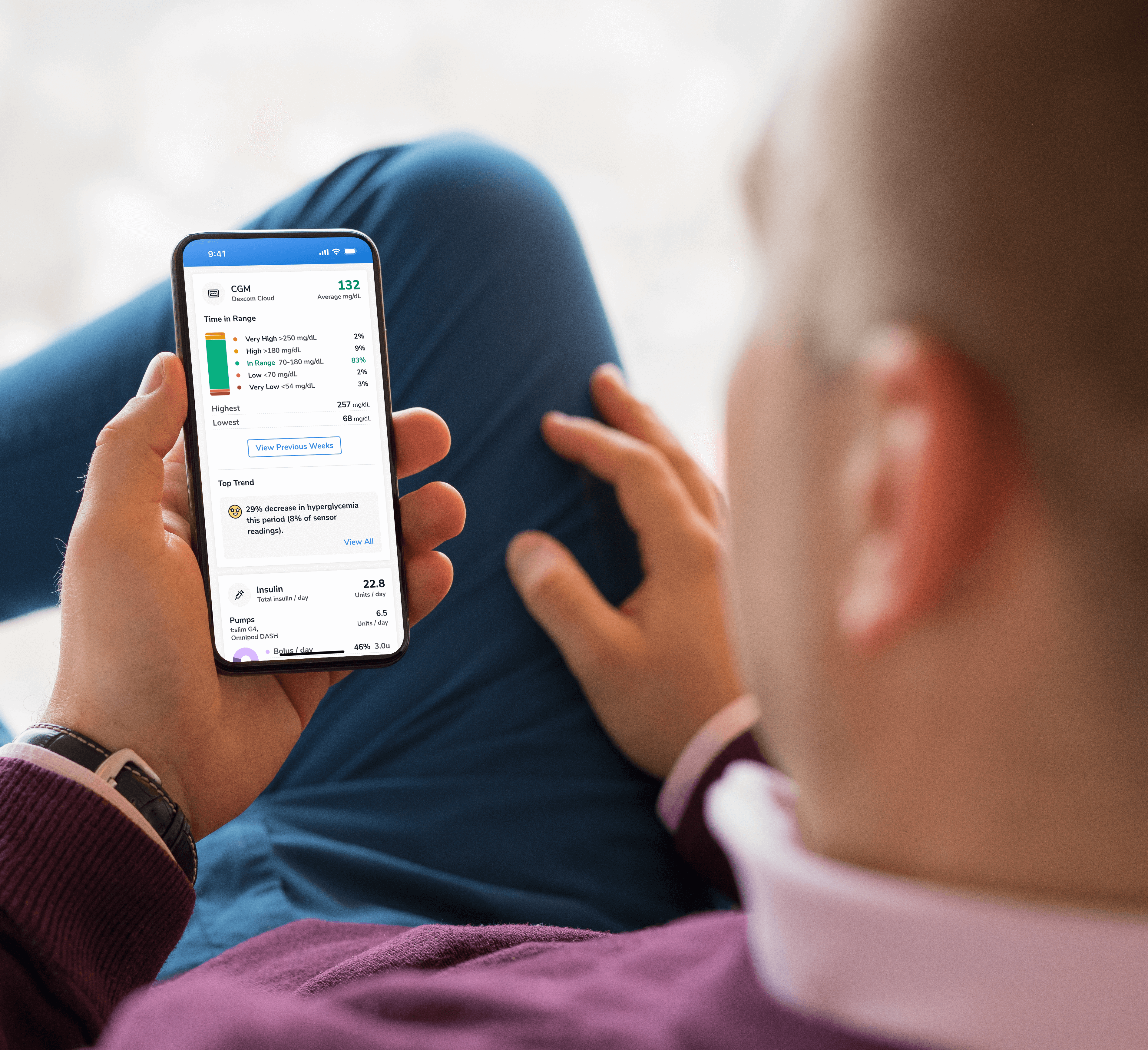
Find a sample of the latest online apps and digital platforms designed to prevent, manage and/or treat diabetes. We highlight apps and DTx for people with diabetes as well as the professionals treating them.

An overview of Glycemic Management Platforms that answers key questions including: What are they? What to consider? How can my inpatient facility benefit and more.
Are prior authorizations delaying patient care? Is your team overwhelmed by manual workflows? These platforms might help.
Find diabetes certificate programs, online learning opportunities, webinars, device training, practical tools and more. All resources are developed for diabetes healthcare professionals by diabetes healthcare professionals.

Find a variety of podcasts and videos focused on the latest topics in diabetes technology specifically created for diabetes healthcare professionals.
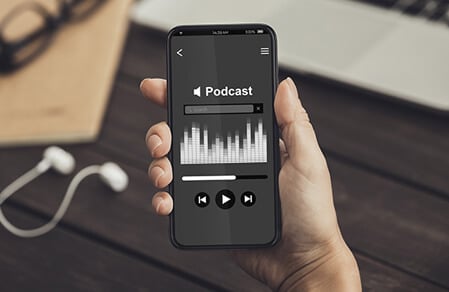
Danatech device trainings introduce healthcare professionals to the latest diabetes technology including the newest CGMs, automated insulin delivery devices, smart pens and more. Trainings include overviews, training specifics, FAQs and more.

The danatech Tool & Resource Directory gathers every clinician tool in one place, from product comparisons and affordability finders to point-of-care PANTHER forms and step-by-step workflows for CGM and AID. Users can filter by focus area and role to find what fits their practice.
Diabetes Technology Conference
The only event designed by and for the care team focused on using technology in practice to improve outcomes for people with diabetes.
Bring Our Curriculum to Your Students
Prepare future healthcare providers for modern diabetes care with danatech’s practical curriculum on CGM, insulin delivery, AID, and patient-centered communication.
Several automated insulin delivery (AID) manufacturers offer free digital demos that let clinicians and people with diabetes explore selected screens and workflows without connecting to a working insulin pump. Learn more.
Help tackle cardiovascular issues by equipping yourself with the knowledge to reduce cardiometabolic risk and combat the development of cardiometabolic diseases with specialized education and resources from danatech.

Whether you’re a healthcare professional seeking to enhance your expertise or someone passionate about making a significant impact in the lives of those affected by diabetes, this guide will help you navigate the path to becoming a CDCES.

Get a plain-language read on where the diabetes tech field is heading, why it matters for the people you support and the specific technology we're tracking
Recent diabetes technology innovations, product launches and enhancements as well as clinical perspectives regarding diabetes care.

Make your voice heard on Capitol Hill by sending messages to your members of Congress on critical issues that affect diabetes care and education. You can also track federal diabetes legislation to see which members have signed on to support the bill and whether there have been any relevant votes.

Protect continuity while you respond.A denial can leave the person without supplies or treatment. When clinically appropriate and available, consider a bridge option such as a manufacturer sample or an over-the-counter option, with education on use. Bridge options are not available in every practice or for every technology; view Affordability Tool for assistance programs.
The denial letter contains the payer's specific reason for denial. It is your roadmap. Before drafting anything or requesting a peer-to-peer, identify exactly which criterion was not met and what documentation the payer says was missing or insufficient.
Do not automatically resubmit the same information. Name the type of denial first, because each type calls for a different response. A denial may involve more than one of these.
Looks likeSomething required was missing or insufficient.
Typical responseSupply the missing element and request reconsideration. Address the stated gap directly rather than repeating the original request.
Looks likeThe person does not meet a stated coverage criterion. More documentation will not change it.
Typical responseRequest a medical necessity exception on clinical grounds the criterion does not capture. Do not argue that the criterion is met. See the case study
Looks likeWrong submission pathway, missing signature, prescriber requirement or incorrect form.
Typical responseCorrect the issue and resubmit through the right pathway.
Looks likeThe payer does not agree the technology is medically necessary based on what was submitted.
Typical responseAppeal with a criteria-matched clinical narrative. Consider peer-to-peer review (step 5).
Identify the payer's current clinical coverage policy or applicable criteria for the requested technology. It may be on the payer's provider portal or available directly from the payer. Review the criteria and documentation requirements before preparing a response, and use them as a checklist so each requirement is addressed.
Depending on the payer and technology, criteria may address diagnosis, current treatment, laboratory or glucose data, prior therapies, education or training, and other clinical requirements. Knowing them lets you build a targeted, criteria-matched response rather than a general clinical summary.
Identify what it is standing in for. In the case study, the care team read a requirement for insulin, a sulfonylurea or a meglitinide as a proxy for hypoglycemia risk, which did not reflect that person's actual need.
Address the specific reason for denial first. A response that does not answer the stated reason is rarely successful. Then present the clinical evidence chronologically:
This structure also mirrors how a peer-to-peer conversation flows, so it prepares the prescriber if one is needed.
Need help with the letter itself? See Write the letter of medical necessity on Prepare and Follow Up.
Copy the whole block; it includes its safety rules. Do not enter PHI into a general AI tool unless your organization has approved it. Always verify AI output.
A prior authorization for [technology] was denied for the following reason: [paste exact denial language]. The patient's clinical information is: [paste relevant data]. Write a formal appeal letter that directly addresses the stated denial reason, aligns the patient's clinical documentation with the payer's criteria, and requests reconsideration. Include a brief statement requesting peer-to-peer review if the written appeal is not approved.
Follow these rules: Use only the information I provide. Do not invent clinical facts, payer requirements, dates, outcomes or citations. If required information is missing, list the gap rather than filling it in. Do not state that a coverage criterion is met unless the documentation I provide supports it. Use only payer criteria or clinical references I provide.
When peer-to-peer (P2P) review is available, decide whether it fits the reason for denial, the payer's process and the available evidence. It is most useful when clinical clarification is needed or when there is a question about how the criteria were applied. You can request it in the same letter as a written appeal, as a fallback, with the prescriber's availability stated.
A P2P request does not pause or extend the appeal deadline unless the plan confirms it does. File the written appeal on time.
Prepare the prescriber with:
Approach the P2P with the applicable coverage criteria in hand. Lead with the clinical facts and let the data make the case. Precise, criteria-aligned documentation is more effective than an emotional appeal.
Expedited review may be available when the circumstances meet the payer's criteria for urgent handling. State the basis explicitly, such as an active medication titration that cannot be evaluated without the technology, a coverage lapse or the person's out-of-pocket costs while the appeal is pending.
The payer decides whether a request qualifies for expedited handling.
Help me prepare a peer-to-peer review briefing for a prescriber. The PA for [technology] was denied by [payer name] for the following reason: [paste denial reason]. The payer's clinical policy requires: [paste criteria]. The patient's clinical history is: [paste relevant data]. Summarize the key clinical points the prescriber should lead with during the peer-to-peer call, organized chronologically. Focus on facts, lab values, event dates, and documented prior therapies and/or interventions and their outcomes.
Follow these rules: Use only the information I provide. Do not invent clinical facts, payer requirements, dates, outcomes or citations. If required information is missing, list the gap rather than filling it in. Do not state that a coverage criterion is met unless the documentation I provide supports it. Use only payer criteria or clinical references I provide.
Log every submission, denial, appeal and P2P request with dates, outcomes and the name of any payer representative or medical reviewer involved. This creates a record for escalation if needed and builds knowledge of payer processes for future requests.
A CGM denial where the person did not meet the plan's criterion, overturned on expedited written review within 72 hours by requesting a medical necessity exception.
DISCLAIMERS:
This site and its services do not constitute the practice of medical advice, diagnosis or treatment. Always talk to your diabetes care and education specialist or health care provider for diagnosis and treatment, including your specific medical needs. If you have or suspect that you have a medical problem or condition, please contact a qualified health care professional immediately. To find a diabetes care and education specialist near you, visit the ADCES finder tool.
ADCES and danatech curate product specifics and periodically review them for accuracy and relevance. As a result, the information may or may not be the most recent. We recommend visiting the manufacturer's website for the latest details if you have any questions.








danatech, powered by ADCES, helps the whole care team choose, start, use and support diabetes technology with confidence.