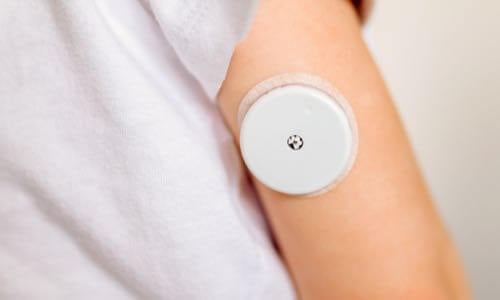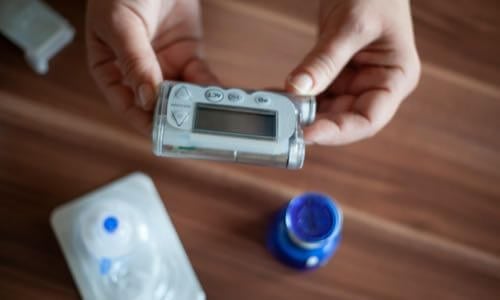
View current insulin pumps, smart pens and more from a variety of manufacturers. Compare features and technical specifications and find training resources, affordability information, prescription details and more.
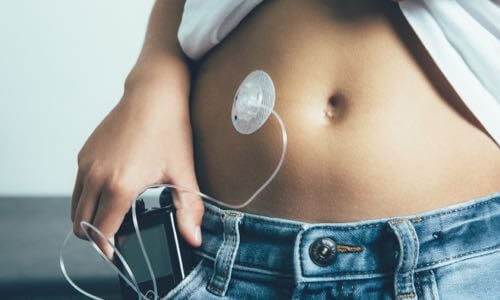
View features and specifications of popular infusion sets to determine the best option for your patients and clients.
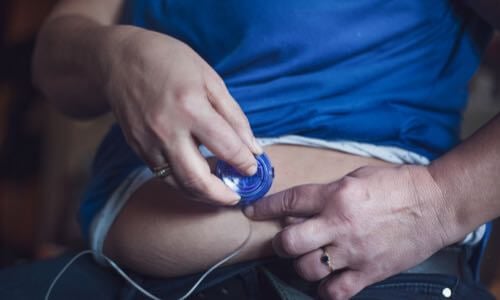
Open-source AID systems like Loop, AndroidAPS, and Trio combine pumps, CGMs, and smartphone apps to deliver customizable insulin automation. This section explains how they work, their unique features, safety considerations, and how clinicians can support patients using these evolving tools.
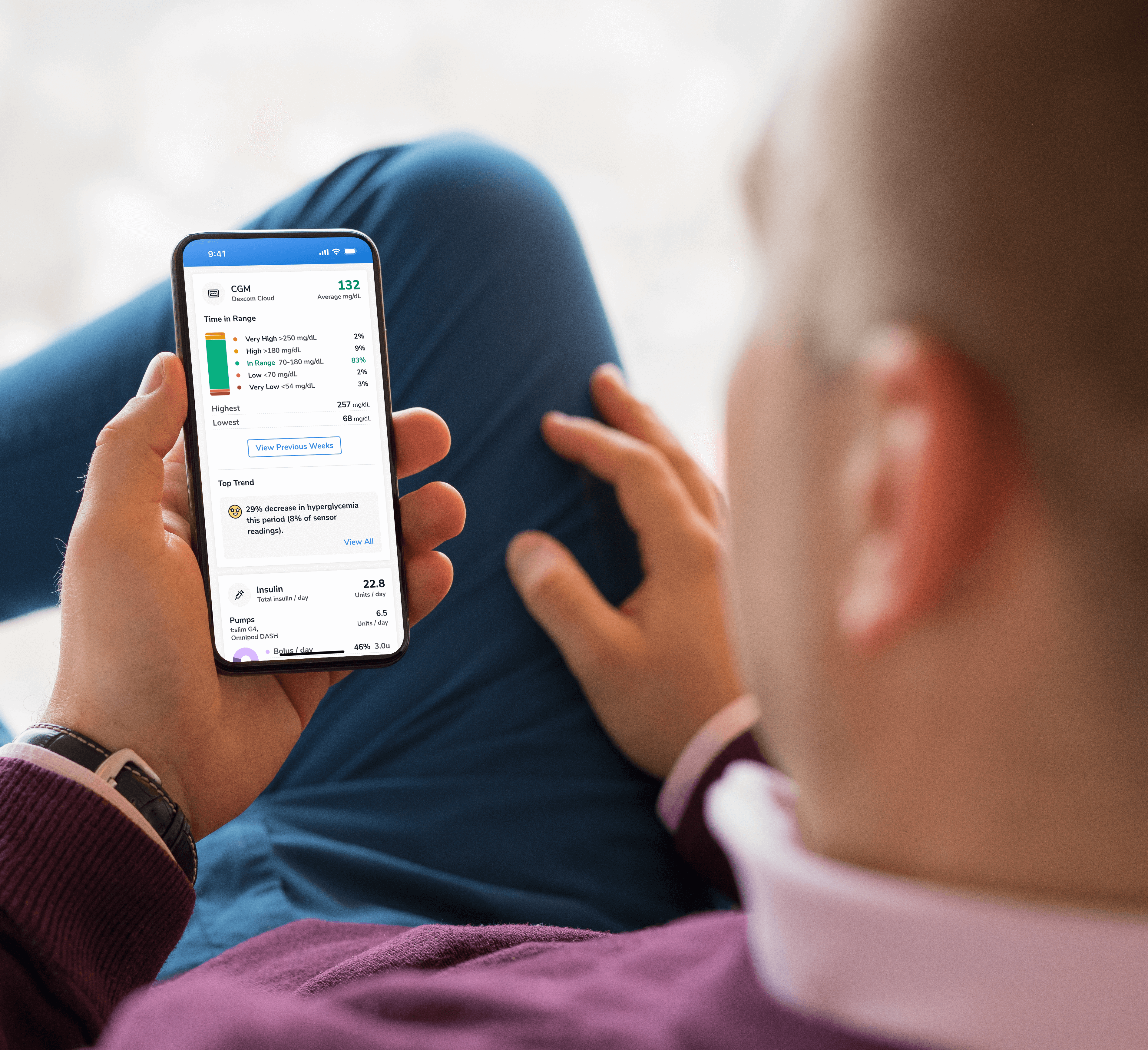
Find a sample of the latest online apps and digital platforms designed to prevent, manage and/or treat diabetes. We highlight apps and DTx for people with diabetes as well as the professionals treating them.

An overview of Glycemic Management Platforms that answers key questions including: What are they? What to consider? How can my inpatient facility benefit and more.
Are prior authorizations delaying patient care? Is your team overwhelmed by manual workflows? These platforms might help.
Find diabetes certificate programs, online learning opportunities, webinars, device training, practical tools and more. All resources are developed for diabetes healthcare professionals by diabetes healthcare professionals.

Find a variety of podcasts and videos focused on the latest topics in diabetes technology specifically created for diabetes healthcare professionals.
Danatech device trainings introduce healthcare professionals to the latest diabetes technology including the newest CGMs, automated insulin delivery devices, smart pens and more. Trainings include overviews, training specifics, FAQs and more.

The danatech Tool & Resource Directory gathers every clinician tool in one place, from product comparisons and affordability finders to point-of-care PANTHER forms and step-by-step workflows for CGM and AID. Users can filter by focus area and role to find what fits their practice.
Diabetes Technology Conference
The only event designed by and for the care team focused on using technology in practice to improve outcomes for people with diabetes.
Bring Our Curriculum to Your Students
Prepare future healthcare providers for modern diabetes care with danatech’s practical curriculum on CGM, insulin delivery, AID, and patient-centered communication.
Several automated insulin delivery (AID) manufacturers offer free digital demos that let clinicians and people with diabetes explore selected screens and workflows without connecting to a working insulin pump. Learn more.
Help tackle cardiovascular issues by equipping yourself with the knowledge to reduce cardiometabolic risk and combat the development of cardiometabolic diseases with specialized education and resources from danatech.

Whether you’re a healthcare professional seeking to enhance your expertise or someone passionate about making a significant impact in the lives of those affected by diabetes, this guide will help you navigate the path to becoming a CDCES.

Get a plain-language read on where the diabetes tech field is heading, why it matters for the people you support and the specific technology we're tracking
Recent diabetes technology innovations, product launches and enhancements as well as clinical perspectives regarding diabetes care.

Make your voice heard on Capitol Hill by sending messages to your members of Congress on critical issues that affect diabetes care and education. You can also track federal diabetes legislation to see which members have signed on to support the bill and whether there have been any relevant votes.

At any step: Protect continuity. If supplies or treatment are at risk while a request or appeal is pending, consider a clinically appropriate bridge option, such as a manufacturer sample or an over-the-counter biosensor, when appropriate. Provide education on use. Bridge options are not available in every practice or for every technology. Visit the danatech Affordability Tool for assistance programs.
Find the payer's current policy for this technology. Start from the current policy, not memory or a prior submission. Note every clinical, documentation, ordering and administrative requirement.
A PA may be denied when any one of these is missing, even when the person otherwise qualifies.
| Problem | What it means in practice |
|---|---|
| Insufficient documentation of coverage criteria | Payer coverage criteria and documentation requirements vary by plan and technology. If the clinical record does not include the information required to demonstrate that the person meets the payer's specific coverage criteria, the PA may be denied. |
| Missing, inaccurate or incomplete diagnosis coding | Diagnosis codes should accurately reflect the documented conditions relevant to the coverage request. An incomplete or inaccurate code may prevent the payer from identifying information relevant to its coverage criteria. Coding should be consistent with the clinical documentation submitted with the PA. |
| Failure to meet payer-specific clinical criteria | Coverage criteria vary by payer, plan and technology and may include requirements related to diagnosis, treatment history, current therapy, clinical documentation or recent visits. Verify the payer's current criteria before submission to determine whether the person meets the requirements for the requested technology. |
| Incomplete documentation of medical necessity | When the payer requires documentation of medical necessity, the clinical record should clearly connect the person's relevant clinical history and treatment needs to the requested technology and applicable coverage criteria. |
| Provider, prescription or administrative documentation gaps | Missing required orders, signatures, prescriber information or other plan-specific administrative documentation may delay the PA or result in denial before the clinical criteria are reviewed. |
Compare each payer criterion with what is in the chart, then mark the matching item in the checklist below.
More chart material will not change it. Discuss with the prescriber whether a medical necessity exception is appropriate or whether another option fits better before you submit.
Download printable documentation checklists (PDF) — Black-and-white format with notes and owner columns.
These checklists are prompts to check against the current plan’s policy, not a list of requirements for every request. Do not add testing, trials or documentation only because an item appears here. Mark N/A for anything this plan does not require.
Selections are for this working session and clear when the page reloads. They print.
Showing the checklist for your selection in step 1.
* Medicare eliminated the four-times-per-day blood glucose testing prerequisite for CGM coverage effective July 18, 2021. Verify the individual payer's current criteria before submitting documentation of prior fingerstick frequency or glucose logs.
Coverage note: C-peptide and beta-cell autoantibody testing are not recommended as prerequisites for initiating insulin pump or AID therapy under the ADA Standards of Care in Diabetes—2026. However, some payers require this testing for coverage. Verify the specific plan's requirements before ordering tests or submitting documentation.
Coverage note: C-peptide and beta-cell autoantibody testing are not recommended as prerequisites for initiating insulin pump or AID therapy under the ADA Standards of Care in Diabetes—2026. However, some payers require this testing for coverage. Verify the specific plan's requirements before ordering tests or submitting documentation.
Coverage note: Prior use of a conventional insulin pump is not a prerequisite for initiating AID therapy under the ADA Standards of Care in Diabetes—2026. Some payers may request documentation of prior pump use or treatment history. Verify the specific plan's requirements before submitting documentation.
Work through every item marked Missing in Step 3 before submitting. Identifying and addressing documentation gaps before submission can help prevent delays, requests for additional information, and denials.
AI tools do not have access to the chart unless you provide the data. Do not enter protected health information (PHI) into a general AI tool unless your organization has approved that tool for PHI. Otherwise, remove or de-identify patient information and follow your organization's privacy, security and AI-use policies. Always review and verify AI output before using it in a submission.
I am preparing to submit a prior authorization for [technology] for a patient with [payer name]. The payer's clinical criteria are: [paste criteria]. Here is the documentation I currently have: [paste current documentation]. Identify any gaps between the payer's stated criteria and my current documentation, and tell me what additional information I need to collect or document before submission.
Follow these rules: Use only the information I provide. Do not invent clinical facts, payer requirements, dates, outcomes or citations. If required information is missing, list the gap rather than filling it in. Do not state that a coverage criterion is met unless the documentation I provide supports it. Use only payer criteria or clinical references I provide.
Add a letter when the payer requires documentation of medical necessity. The clinical team usually drafts it, within role and organizational policy, and the prescriber reviews and signs it.
Lead with the patient's story, not just the diagnosis. Build a chronological clinical narrative using the person's own values, dates and events rather than general statements. Specificity strengthens a PA; generality weakens it.
Use a sentence only if every statement in it is accurate, documented in the chart and true for this person. Remove any claim the record does not support, such as reduced hypoglycemia or improved outcomes.
Choose the statement that matches the request, then adapt it to the individual. Your technology choice in step 1 opens the matching one.
[Patient name] is a [age]-year-old with [diagnosis] managed on [insulin regimen]. Despite consistent self-monitoring [with fingerstick glucose testing [frequency] times daily, if required by the payer], [he/she/they] continues to experience [glycemic variability / recurrent hypoglycemia / suboptimal A1c]. A continuous glucose monitor is medically necessary to provide real-time glucose data, reduce hypoglycemic exposure and support clinical decision-making in a way that intermittent fingerstick monitoring is unable to achieve.
[Patient name] has been managed on a multiple daily injection regimen of [insulin types and doses] for [duration]. Despite optimized MDI therapy and ongoing diabetes education, [he/she/they] continues to experience [A1c above target / frequent hypoglycemia / significant glucose variability]. Insulin pump therapy is medically necessary to provide precise basal rate titration, reduce hypoglycemic burden and improve overall glycemic outcomes that have not been achievable with MDI.
[Patient name] has experienced [number] hypoglycemic events in the past [timeframe], including [number] level 2 events (glucose below 54 mg/dL) and [number] events requiring third-party assistance. Hypoglycemia unawareness has been documented by [provider] on [date]. Real-time CGM with customizable low glucose alerts is medically necessary to reduce the risk of severe hypoglycemia and the associated morbidity.
Despite an A1c of [value], [patient name]'s glucose management is characterized by significant intraday variability, with rapid glucose excursions that are not captured by A1c or fingerstick monitoring alone. [He/She/They] reports [symptoms associated with variability: fatigue, difficulty concentrating, hypoglycemic episodes, etc.]. Continuous glucose monitoring is necessary to identify the magnitude, frequency and pattern of these excursions to guide therapeutic adjustments.
[Patient name]'s current regimen has been progressively intensified over the past [timeframe], including [list interventions: medication adjustments, dietary intervention, education]. Despite these interventions, [specific clinical marker] remains above target. The addition of [technology] is the clinically appropriate next step in the treatment intensification pathway and is consistent with current ADA and AACE standards of care for [patient's indication].
Each prompt includes its safety rules, so copy the whole block. See Before you use AI in step 4.
Write a letter of medical necessity for continuous glucose monitor (CGM) approval for a patient with the following clinical details: [paste diagnosis, A1c, insulin regimen, hypoglycemia history, monitoring frequency and any documented complications]. The letter should connect the patient's clinical history to the medical necessity for CGM, explain the clinical benefits of CGM for this individual, including the limitations of intermittent fingerstick monitoring when relevant to the person's clinical circumstances and the payer's criteria, and reference current ADA standards of care. Use a formal clinical tone appropriate for payer submission.
Follow these rules: Use only the information I provide. Do not invent clinical facts, payer requirements, dates, outcomes or citations. If required information is missing, list the gap rather than filling it in. Do not state that a coverage criterion is met unless the documentation I provide supports it. Use only payer criteria or clinical references I provide.
I need to write a prior authorization narrative for [technology type]. Here is the patient's clinical data: [paste relevant chart notes, labs, device reports (if applicable) and visit documentation]. Organize this information into a chronological clinical summary that leads with the patient's diagnosis and progression, documents prior interventions and outcomes, highlights key clinical events with dates, and concludes with a clear statement of medical necessity. Do not add clinical information that is not in the data I provided.
Follow these rules: Use only the information I provide. Do not invent clinical facts, payer requirements, dates, outcomes or citations. If required information is missing, list the gap rather than filling it in. Do not state that a coverage criterion is met unless the documentation I provide supports it. Use only payer criteria or clinical references I provide.
Assemble the request with the letter attached, then check it before you send it.
Check each item as you complete it. Checkmarks clear when the page reloads.
Record these details when you submit, and keep them where the whole team can find them, such as the EHR or your practice's secure tracking system.
PA tracking record
Technology and payer / plan:
Submitted on:
Confirmation or reference number:
Follow-up owner:
Expected response date:
Next follow-up date:
Additional information requested (what, deadline, date sent):
Decision and date:
Authorization dates:
Approved items or quantities:
Order processed by pharmacy or supplier (date):
Received by the person (date):
Identify exactly what is being requested, note the deadline, respond within the required timeframe and record the date sent.
Do not automatically resubmit the same information. A denial may involve more than one issue, and the reason decides the response: a correction, a clarification, a different submission pathway or an appeal.
DISCLAIMERS:
This site and its services do not constitute the practice of medical advice, diagnosis or treatment. Always talk to your diabetes care and education specialist or health care provider for diagnosis and treatment, including your specific medical needs. If you have or suspect that you have a medical problem or condition, please contact a qualified health care professional immediately. To find a diabetes care and education specialist near you, visit the ADCES finder tool.
ADCES and danatech curate product specifics and periodically review them for accuracy and relevance. As a result, the information may or may not be the most recent. We recommend visiting the manufacturer's website for the latest details if you have any questions.










danatech, powered by ADCES, helps the whole care team choose, start, use and support diabetes technology with confidence.