ADCES Fellow Spotlight: Find Your Path, Build Your Team
Sep 18, 2026, 10:37 AM
The ADCES Fellows program recognizes diabetes care and education specialists who have made significant contributions to the specialty and demonstrated leadership in advancing diabetes care and education. The experiences that helped Fellows reach this point in their career can also offer valuable lessons for those just beginning to find their place in the field.
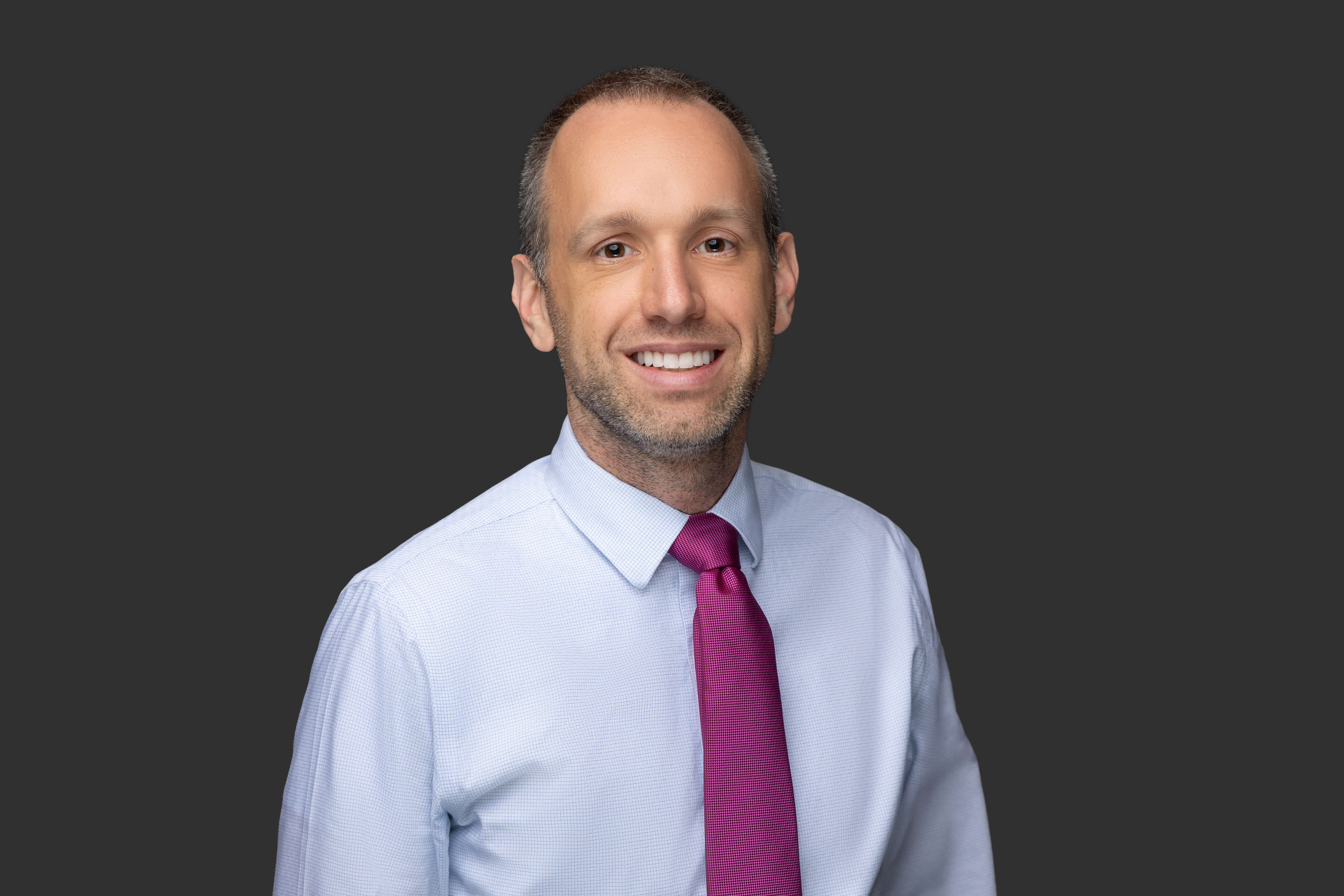
In this ADCES Fellow Spotlight, Andrew Bzowyckyj, PharmD, BCPS, CDCES, FADCES, FAPhA, FCCP, reflects on the experiences, challenges and unexpected opportunities that have shaped his career. From finding his way into diabetes care and education to expanding his impact beyond direct patient care, he shares lessons for those considering the specialty, professionals who are new to the field and those thinking about where their career could take them next.
His biggest takeaway? There isn’t one path to building a meaningful career in diabetes care and education. As Bzowyckyj puts it, “Diabetes affects everything, and just about everything affects diabetes,” leaving plenty of opportunities to find an area that interests you and make it your own.
Can you tell us about your career trajectory and how you got into the diabetes care and education specialty?
I’m a pharmacist by background, and I trained in general primary care across multiple disease states. I actually didn’t want to specialize at first. After residency, I applied for a position as an endocrinology pharmacist embedded in an endocrinology clinic, which meant I would primarily be working in diabetes care.
At the time, I worried about being focused on just one disease state after learning about so many different areas. But the way I reconciled it for myself was realizing that diabetes affects everything, and just about everything affects diabetes.
Even though it was a diabetes care position, I was working with depression, high blood pressure and so many other health and life issues. That became a consistent thread throughout my career.
So, I ended up in diabetes because that was the job opportunity available after residency. It sounds funny to say, but it ended up being one of the best things that could have happened to me.
What were some of the biggest challenges you faced along the way, and how did you navigate them?
One of the biggest challenges when I was in patient care was having the capacity to provide high-quality care and follow-up with limited staffing.
I started at a safety-net hospital serving an under-resourced community. We had great outcomes with our program, but scalability was always difficult. At most, we had a team of five, and over time that became three people and sometimes two. Our dietitian eventually became a shared role rather than someone dedicated to the program.
It was difficult because we wanted to provide the care our patients deserved. Sometimes that meant spending more time with someone so they truly felt heard.
Another challenge was addressing clinical inertia and the myths and misconceptions that existed among both patients and clinicians. With patients, I learned to have an open conversation. If someone came in with something they saw online, I might say, “Show me your phone. Pull up that website. Let’s talk about it. Let’s look at that.” I learned from my patients as much as they learned from me.
On the clinician side, part of overcoming clinical inertia was showing my physician colleagues how we could help them. By giving us more autonomy to manage medications, start glucometers and handle some of those aspects of care, we could serve as an extension of the primary care team. As we demonstrated positive outcomes, that trust continued to grow.
How did you define success when you first entered the specialty compared with how you define it today?
When I was first starting out, success was about small, measurable wins.
There were professional milestones like earning my board certifications, becoming a Certified Diabetes Care and Education Specialist and publishing my first papers. Then there were the patient care wins: helping someone start insulin, getting someone to check their glucose or seeing their A1C come down at a follow-up visit.
Those things are still important to me, but today I look much more at impact.
I currently work for the National Kidney Foundation, where I oversee a lot of our patient and professional education. I’m no longer directly involved in patient care, but I’m still diabetes-adjacent. I didn’t want to leave diabetes completely.
Now, when I’m developing educational content, I think about what I would have used when I was in practice. I also talk with peers and ask what would be helpful in their practices. It’s about developing tools and resources that others can use and looking at how we can drive practice change on a broader scale.
It’s been really rewarding to take what I learned from working directly with patients and use it to help people in a different way.
What advice would you give to someone considering entering the diabetes care and education specialty?
Diabetes affects everything, and just about everything affects diabetes, so you’ll never be bored.
There’s so much more to this specialty than glucose. You can focus on insulin pumps, technology, cardiometabolic and kidney health, nutrition, behavioral health and so many other areas.
Whether you’re a dietitian, pharmacist, nurse, social worker or another type of health care professional, there’s something for everybody here. It really is a big-tent specialty.
What advice do you have for professionals who are new to the field?
Find what interests you and chart your own journey.
There is so much you can do in this field, but you don’t have to do all of it. Find what works best for you and understand that your path may change over time.
When I started my career, working for the National Kidney Foundation was not my end goal. I didn’t picture myself in the role I have today. But the opportunity came at the right time, it was a good fit and I was able to bring the skills I had developed throughout my career into something new.
Your career doesn’t necessarily have to follow the path you imagined when you started.
What would you tell someone who feels stuck in their current role?
Take the time to reevaluate your situation and invest in yourself.
Think about your areas of passion, your current environment and whether there’s a mismatch between the two. And don’t be afraid to look around and see what else is out there, even if you aren’t necessarily ready to leave your current role.
Exploring other opportunities can help you understand whether you need to build new skills or pursue additional training, whether formal or informal. A lot of the time, you may find that the skills you already have can be leveraged into a completely different position.
Even if the timing isn’t right to make a change today, you can prepare yourself so you’re ready when it is. It might be five years from now or 10 years from now. The important thing is continuing to invest in yourself and staying ahead of the curve.
How has mentorship played a role in your career?
I would actually reframe the traditional advice of finding a mentor to finding your team.
I struggled with the idea that there had to be one person who could give me guidance on everything related to my career. It felt like putting someone on a pedestal, and I couldn’t find that one person.
What I eventually realized was that I had my people.
Different people helped me with different things. I had people who helped me develop my clinical skills, people who taught me about patient communication and others who helped me with research methods or framing a research question.
Those are very different skill sets, and they don’t necessarily have to come from the same person.
So, don’t worry about finding one mentor who fits everything you’re looking for. Find your team. It really does take a village.